September 29, 2026
Rising floodwaters represent one of the most destructive, emotionally draining, and financially devastating natural hazards that residential property owners can face. Whether caused by sudden torrential downpours, overflowing rivers, coastal storm surges, or severe plumbing failures, incoming water invades living spaces, weakens structural foundations, and ruins cherished personal belongings within moments. Homeowners frequently underestimate the speed and sheer force of encroaching water, as well as the invisible biological and chemical dangers hidden beneath its murky surface. What appears to be simple pooling water often carries raw sewage, industrial chemicals, agricultural runoff, heavy metals, and dangerous bacteria directly into subflooring, drywall, and HVAC systems.
Understanding the complex nature of floodwaters, the different contamination categories, and the immediate steps required following an intrusion is essential for safeguarding your family's physical health and preserving property value. Delaying extraction efforts or attempting to handle major water intrusion without proper safety gear and industrial drying equipment dramatically increases the likelihood of catastrophic structural rotting, toxic mold proliferation, and electrical hazards. Indoor water intrusion is remarkably common across residential properties nationwide; according to Ruby Home, 98% of basements in the U.S. will experience some water damage at least once. Knowing how to react quickly, navigate biohazardous risks, and partner with a certified local water damage company empowers property owners to mitigate structural losses, restore healthy indoor air quality, and rebuild their homes with complete confidence.
Identifying Water Contamination Categories and Health Risks
Evaluating the origin and cleanliness of incoming floodwaters represents the initial step in assessing environmental danger and establishing safe handling protocols. Industry standards classify water intrusions into distinct contamination tiers, ranging from clean sanitary water to highly toxic biohazardous mixtures. Category clean water originates from broken supply pipes or overflowing sinks, presenting minimal immediate health hazards if extracted rapidly before bacteria multiply.
Conversely, gray and black water intrusions contain substantial chemical, biological, or physical contaminants that pose severe health risks to occupants. Black water—originating from river flooding, ground runoff, or sewage backups—carries dangerous pathogens, viral agents, parasite spores, and toxic chemicals into your home. Inhaling airborne microorganisms or touching contaminated surfaces can cause severe respiratory illnesses, skin infections, and gastrointestinal distress. Contacting a certified local water damage company guarantees that biohazardous categories are identified accurately and remediated using medical-grade antimicrobial agents and protective equipment.
Assessing Structural Vulnerabilities and Hidden Building Damage
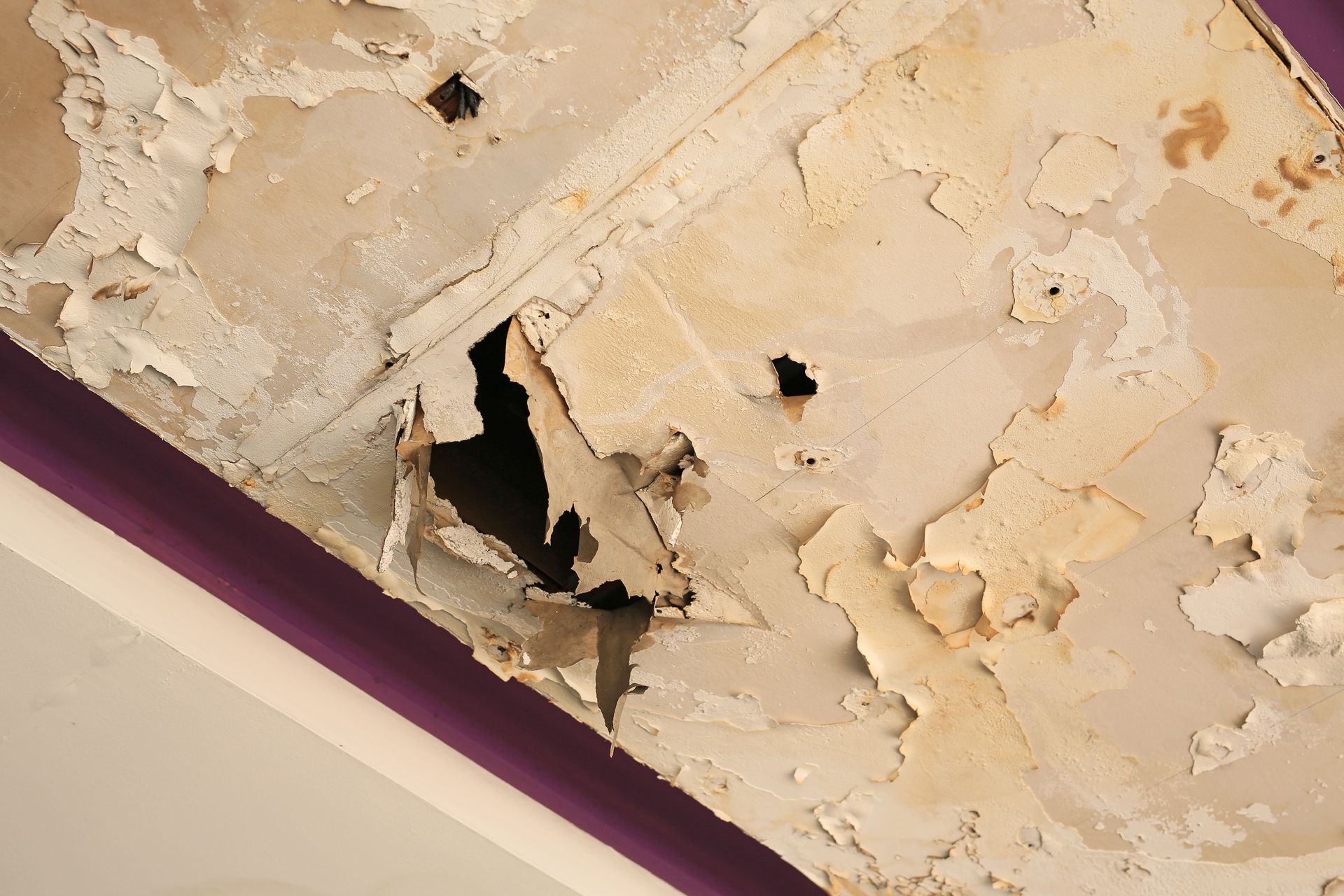
Examining the structural impact of deep water saturation requires looking beyond visible standing puddles on floor surfaces. Water naturally seeks the path of least resistance, migrating deep into porous building materials, including concrete slabs, wooden subflooring, wall insulation, sheetrock, and sub-base trim boards. Saturated wooden framing studs absorb moisture rapidly, leading to swelling, warping, structural weakness, and eventual failure if left untreated.
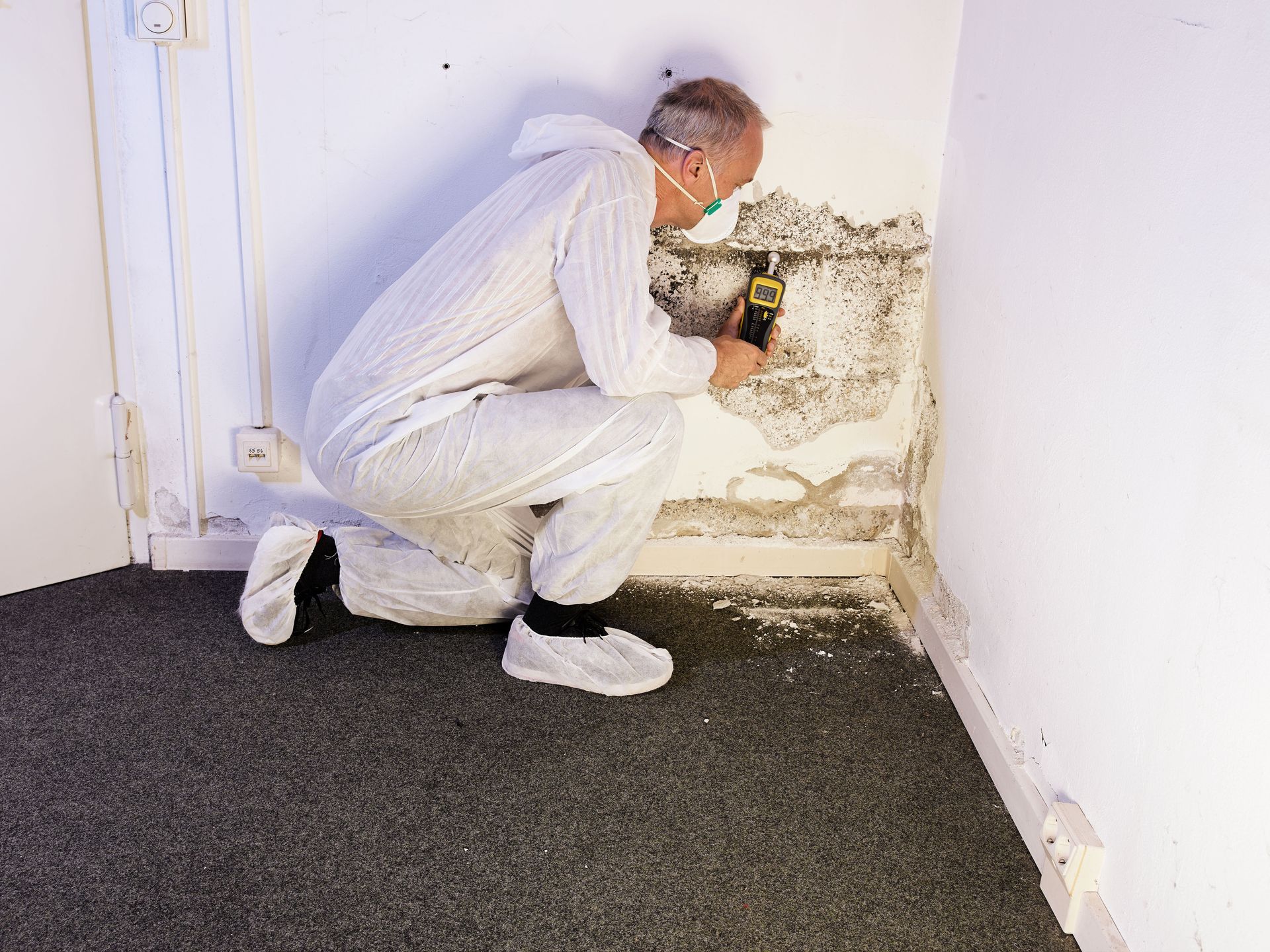
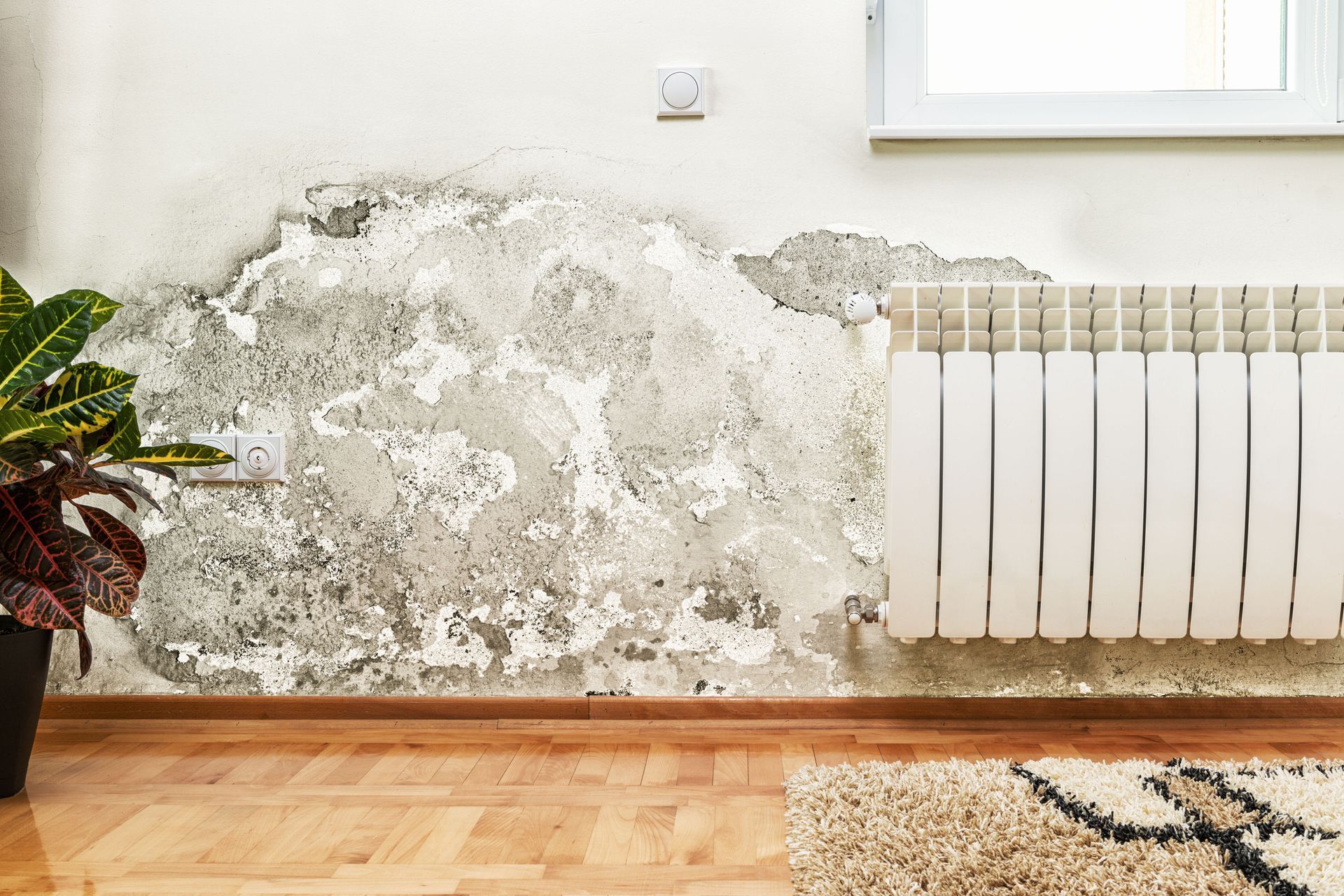
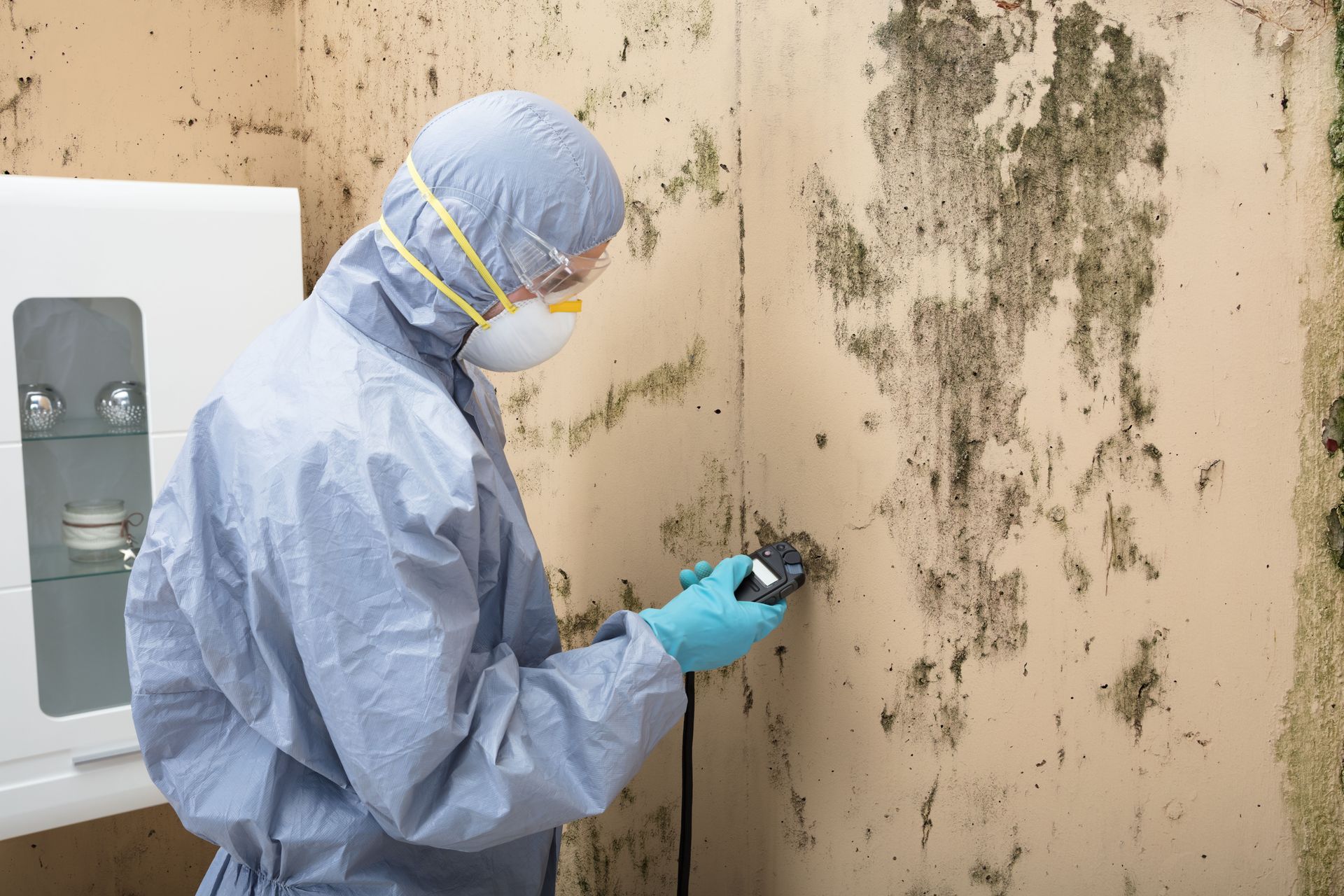
Furthermore, trapped moisture within wall cavities creates unseen pockets of high humidity that destroy structural integrity from the inside out. Concrete foundations exposed to hydrostatic pressure during heavy flooding can develop deep structural fractures, allowing groundwater to seep continuously into subterranean crawlspaces. Engaging a master local water damage company ensures that technicians utilize non-invasive moisture meters and thermal imaging cameras to map hidden moisture pockets behind walls and beneath flooring before structural decay sets in.
Mitigating Electrical Hazards and Utility System Risks
Managing electrical safety immediately following a flood event is vital for preventing lethal electrical shocks, short circuits, and explosive fires. Water conducts electricity effortlessly, turning submerged power outlets, extension cords, circuit breaker panels, and major home appliances into severe physical hazards. Entering a flooded basement or living space while main electrical currents remain active creates an extreme life-safety hazard for family members and first responders.
Prior to entering any saturated structure, property owners must ensure that main power breakers and gas supply valves are shut off safely from dry exterior locations. Utility systems exposed to floodwaters, including central furnaces, water heaters, and air conditioning units, suffer internal corrosion, electrical wiring shorts, and mechanical component failure. Having a skilled local water damage company coordinate safety inspections alongside utility specialists guarantees that electrical panels and climate equipment are thoroughly dried, inspected, and certified safe before power is restored.
Preventing Toxic Mold Proliferation and Spore Spreading
Preventing mold growth inside flooded living spaces requires immediate physical intervention and aggressive climate control. Mold spores exist naturally in ambient air but require organic food sources and elevated moisture levels to germinate, colonize, and spread. Following a major water intrusion, microscopic mold spores can begin germinating on damp sheetrock, wooden studs, carpet padding, and ceiling tiles within hours.
Toxic mold species release airborne spores and mycotoxins that cause severe allergic reactions, persistent asthma attacks, chronic sinus irritation, and neurological symptoms among vulnerable household members. Simply wiping down damp surfaces with household bleach fails to eliminate deep-seated fungal roots within porous materials. Relying on an experienced local water damage company provides access to industrial-grade air scrubbers, high-velocity air movers, and heavy-duty dehumidifiers that extract airborne moisture rapidly, sterilize surfaces, and stop mold colonization completely.
Executing Professional Water Extraction and Structural Drying
Executing thorough water removal demands specialized industrial machinery, structural drying protocols, and continuous environmental monitoring. Standard household shop vacuums and mop buckets lack the pumping capacity required to extract hundreds of gallons of deeply embedded water from carpets, concrete pads, and subflooring layers. Allowing moisture to linger beneath floor coverings ensures long-term structural warping, carpet delamination, and persistent foul odors.
Professional restoration crews utilize heavy-duty submersible pumps, truck-mounted extraction units, and weighted floor tools to pull liquid water out of saturated materials efficiently. Following bulk liquid extraction, technicians establish balanced drying zones using industrial dehumidification systems and directional air movers to evaporate residual moisture trapped inside structural lumber. Partnering with an established local water damage company guarantees that structural moisture levels are monitored scientifically until your property reaches safe, pre-loss dryness standards.
Navigating Insurance Claims and Documentation Requirements
Navigating insurance claims following severe flooding requires meticulous record-keeping, detailed photographic evidence, and accurate structural damage reports. Standard homeowners insurance policies frequently exclude damage caused by rising overland floodwaters, requiring specialized flood insurance policies backed by national programs. Documenting every damaged item, structural failure, and extraction expense is critical for securing maximum policy reimbursement.
Property owners should photograph standing water depths, damaged furniture, ruined appliances, and structural wall staining before beginning cleanup or discarding unsalvageable items. Creating detailed inventory lists alongside professional restoration invoices prevents insurance claim delays and coverage disputes. Working with a reputable local water damage company simplifies the administrative process, as restoration specialists provide detailed moisture mapping logs, itemized scope reports, and direct billing coordination with insurance adjusters to streamline your claim settlement.
At Flostop Restoration, we are deeply committed to protecting your home, preserving your family's health, and delivering exceptional water damage restoration services through master technical expertise, state-of-the-art drying technology, and dedicated customer care. Our team of certified restoration technicians, moisture control specialists, and project managers brings deep industry knowledge, advanced diagnostic tools, and meticulous attention to detail to every residential and commercial emergency we execute across our community. We take immense pride in evaluating your unique property crisis, extracting standing water rapidly, and delivering customized structural drying, sanitation, and mold prevention solutions that restore your home safely. We carefully select medical-grade disinfectants, heavy-duty air scrubbers, and industrial dehumidifiers that eliminate hazardous pathogens, prevent structural rot, and restore healthy indoor air quality. By tailoring every restoration plan to match your specific property needs and insurance parameters, our crew ensures a seamless, stress-free experience that provides lasting structural safety and complete peace of mind. Contact us today to schedule your emergency response service and discover how our dedicated team can restore your home.