September 1, 2026
Basement mold is a persistent problem that many homeowners face. The presence of mold not only detracts from the aesthetic appeal of a home but also poses significant health risks. Professional remediation is often the most effective solution to eliminate mold and prevent its return. Without professional intervention, mold is likely to persist, posing ongoing threats to health and property. This article explores the underlying causes of mold, the dangers of attempting self-remediation, and the benefits of professional mold removal.
Causes of Basement Mold
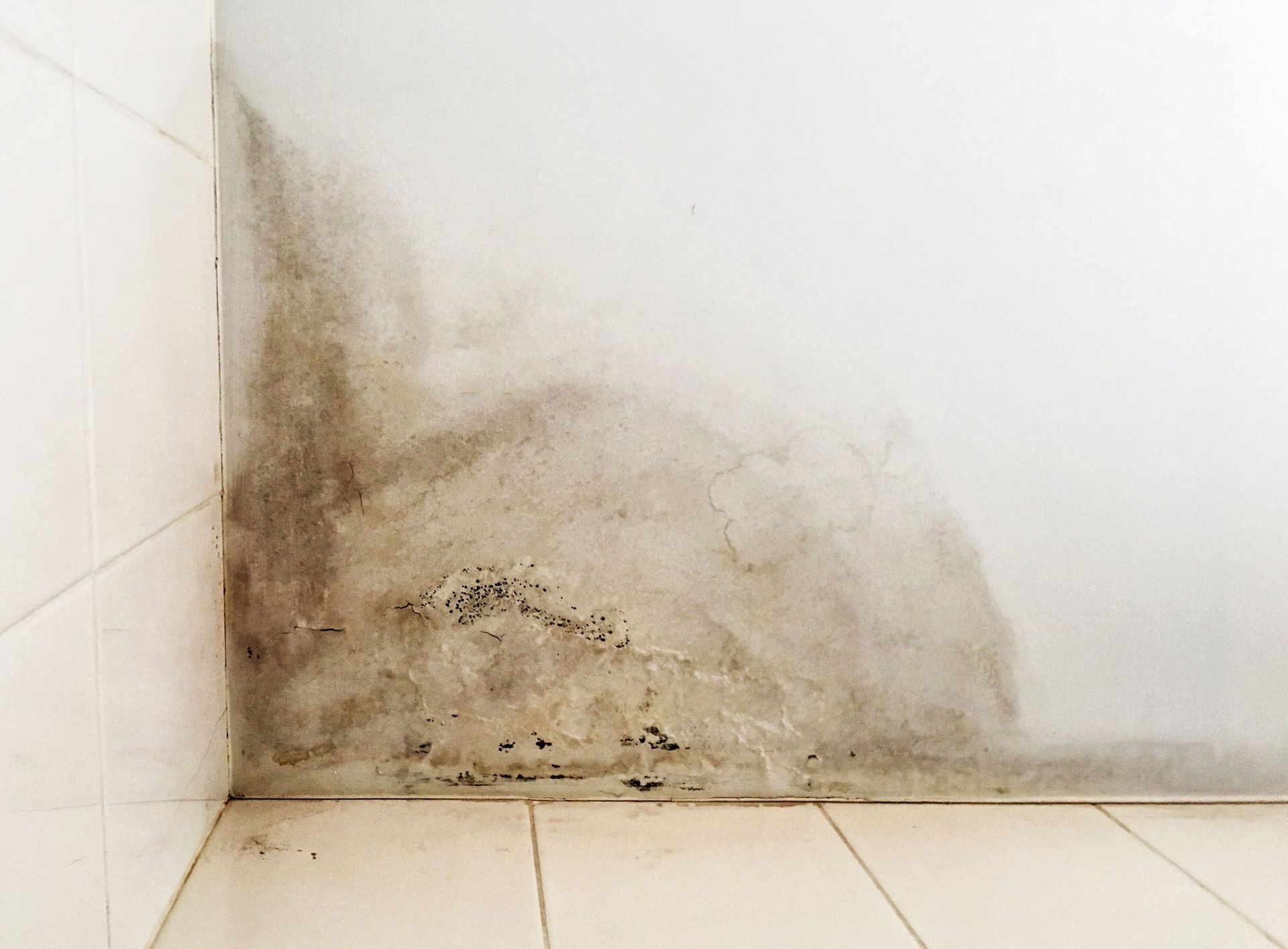
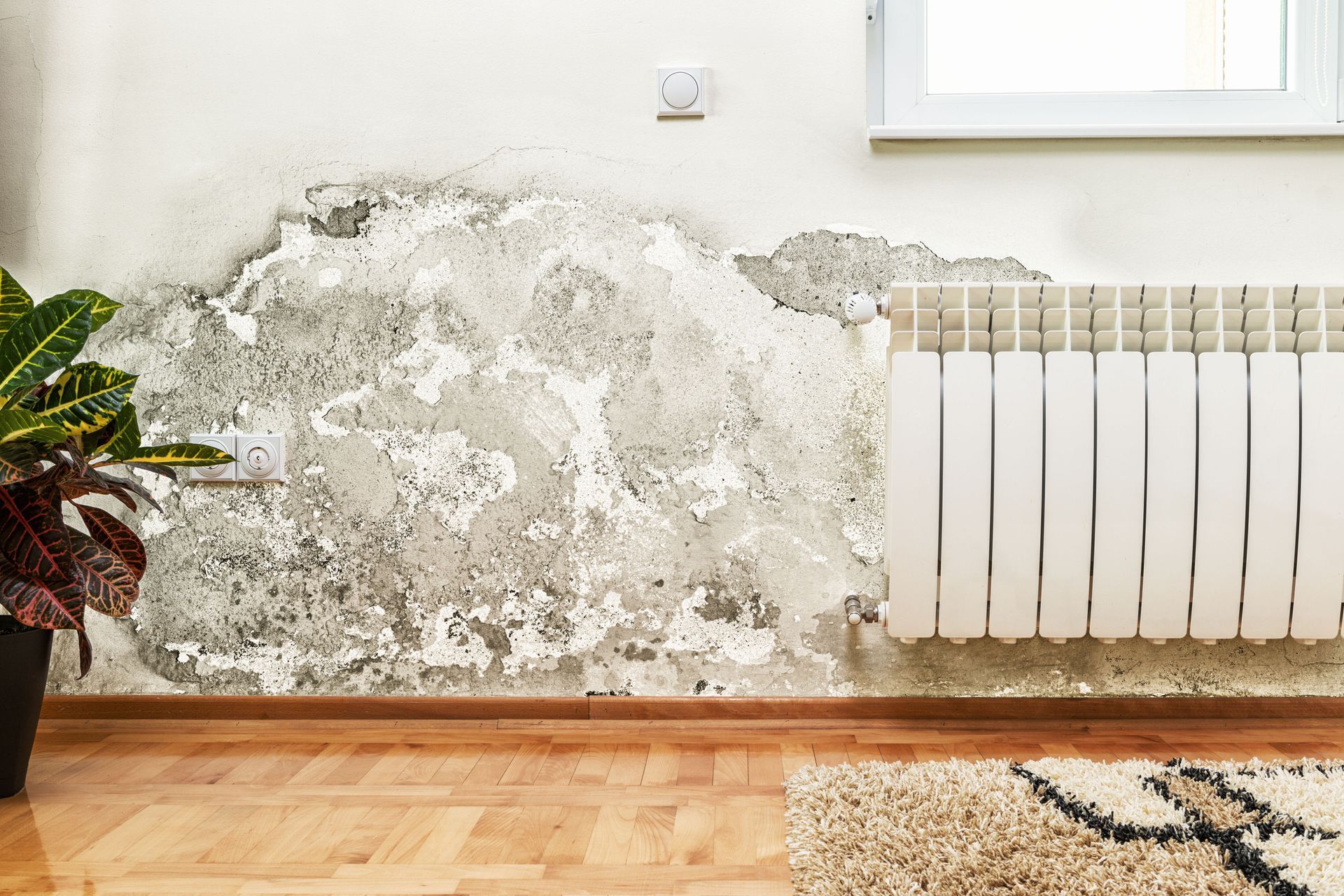
Moisture is the primary catalyst for mold growth in basements. It provides the necessary environment for mold spores to thrive and spread. Often, moisture in basements comes from leaks, foundation cracks, or high groundwater levels. Humidity control is crucial, as mold thrives even with seemingly low levels of moisture. Proactively addressing moisture issues is integral to preventing the growth of mold.
In basements, water intrusion can occur due to poor drainage systems or improperly sealed walls. Over time, small leaks can escalate into bigger problems, exacerbating mold growth. Addressing these issues requires identifying the source and implementing lasting moisture control solutions. A dehumidifier can help reduce baseline humidity levels, making the environment less conducive to mold. Effectively managing moisture can contribute to a reduced risk of mold-related health issues, thus bettering indoor air quality.
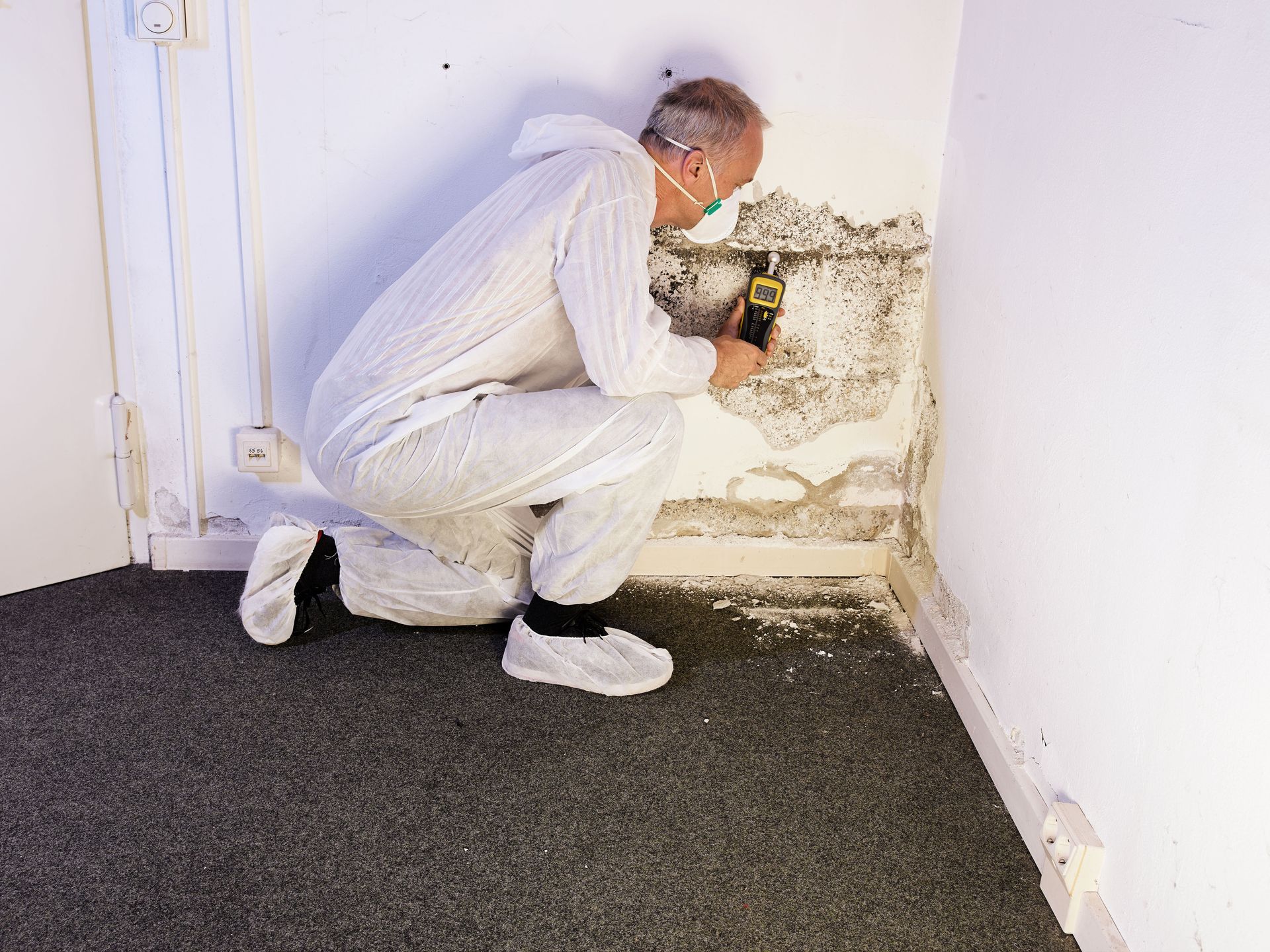
Sometimes, homeowners might overlook minor water leaks, assuming they are harmless. However, consistent dampness may lead to substantial mold colonization. Regular inspections can help detect moisture accumulation early, preventing larger mold infestations. Moisture meters and infrared cameras are beneficial tools for identifying inconspicuous damp spots. Identifying and tackling moisture sources is vital to mold prevention.
Inadequate ventilation is a key factor in basement mold problems. Often, basements are poorly ventilated, limiting air circulation and trapping moisture. This stagnant air creates a favorable environment for mold growth. Without air exchange, humidity levels can rise rapidly, fostering mold proliferation. Ensuring proper ventilation is therefore critical in mitigating mold risks.
Ventilation in basements can be improved by installing vents or exhaust fans. Such installations ensure consistent air movement and help lower humidity levels. Additionally, keeping windows partially open, when possible, can enhance natural airflow. These measures not only combat mold but also contribute to a fresher, healthier basement environment. Professional evaluations can suggest the best ventilation solutions tailored to specific basement setups.
Neglecting ventilation can perpetuate mold issues, leading to long-term structural and health impacts. Proper ventilation reduces the concentration of mold spores in the air, minimizing exposure. Homeowners may also consider using air purifiers, which help filter out mold spores and improve air quality. Combining ventilation with other mold prevention strategies offers comprehensive protection against mold. Continuous air movement interrupts the perfect environment mold needs to flourish.
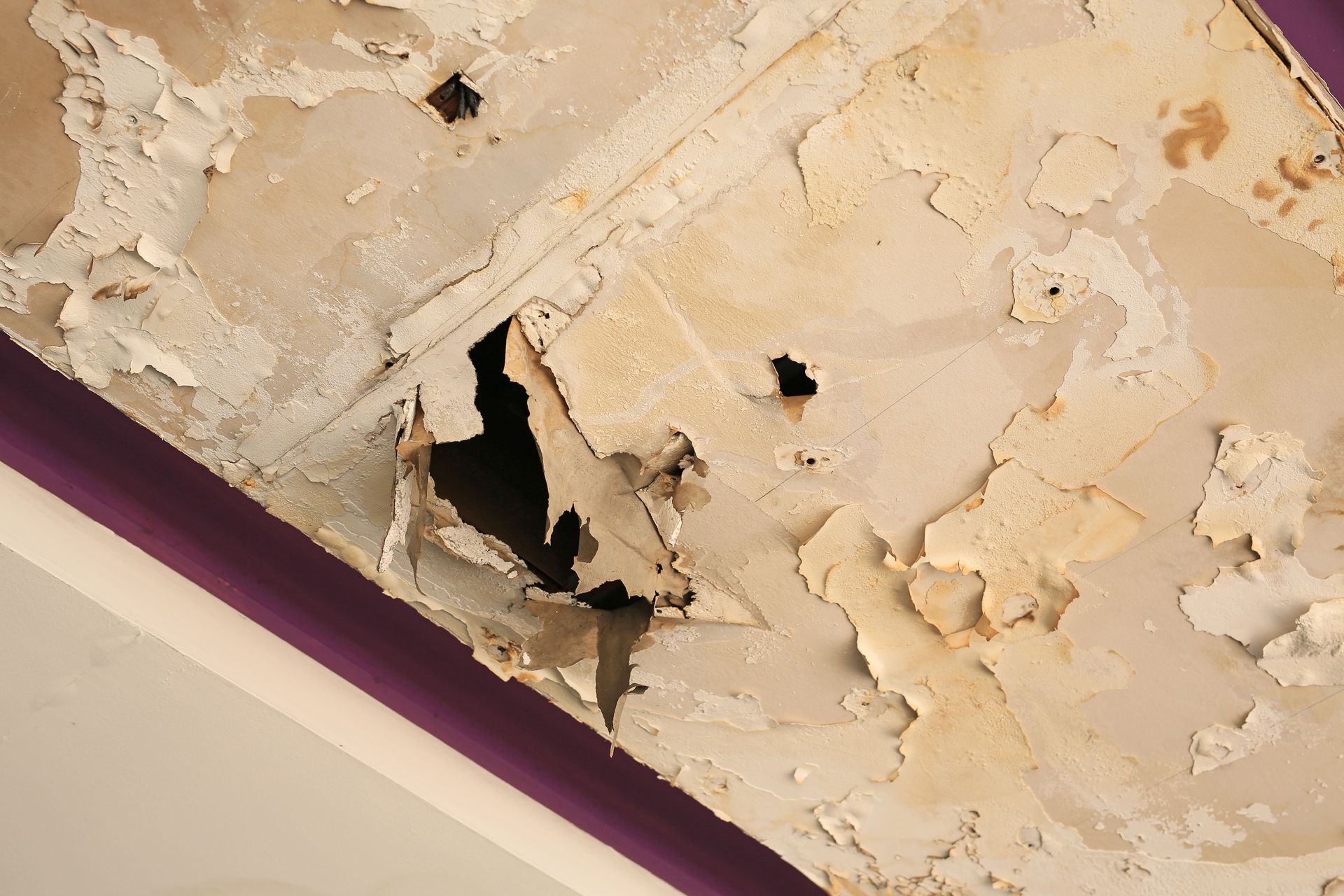
Certain building materials are particularly susceptible to mold, further complicating remediation. Materials like wood, drywall, and insulation can absorb moisture, providing an ideal breeding ground for mold. When these materials get wet, they create an opportunity for mold spores to anchor and grow. Addressing mold in porous materials often requires replacement, as cleaning alone may not suffice. Non-porous materials, by contrast, are more resistant to mold penetration.
Inadequate treatment of building materials can exacerbate vulnerability to mold. Sealing and painting susceptible surfaces inhibit moisture absorption and mold growth. Using mold-resistant versions of these materials can significantly reduce the risk of infestation. Routine inspections can catch early signs of moisture damage before they develop into major issues. Choosing the right building materials is a proactive step towards mold prevention.
Dangers of DIY Mold Removal
Attempting mold removal without professional help often results in incomplete remediation. Mold can occur in hidden areas, such as behind walls or under floors, where DIY efforts typically fall short. Partial removal leaves these unseen colonies untouched, allowing spores to recolonize quickly. Only professional remediation can ensure comprehensive mold removal, including hard-to-reach places. Without full removal, mold issues are likely to return, creating ongoing problems.
DIY treatments might offer temporary relief but rarely provide lasting solutions. Most over-the-counter mold removal products lack the potency needed for a permanent fix. Products not specifically designed to target mold can damage surfaces and worsen the problem. Professional services come equipped with high-grade treatments for effective and comprehensive solutions. This level of thoroughness is critical, as failed DIY efforts can inadvertently promote resistant mold strains.
Moreover, residual mold can readily expand back to its original extent under favorable conditions. This undermines the investment of time and resources in DIY efforts. Continuing to apply ineffective solutions may frustrate homeowners and delay necessary professional intervention. A certified inspection can offer a clearer assessment and targeted resolution of mold issues. Ultimately, peace of mind comes from knowing the issue is truly resolved.
DIY mold removal poses significant health risks, particularly if mold is handled improperly. Mold spores, when disturbed, can become airborne, increasing respiratory exposure risks. Homeowners without proper protective gear, such as masks and gloves, risk direct contact with mold particles. These can lead to respiratory ailments, skin irritations, and exacerbated allergy symptoms. Professional remediation ensures safe removal practices, prioritizing health and safety.
Inexperienced handling of mold may stir up spores, leading to more widespread contamination. Ensuring containment and minimizing air movement is crucial during the remediation process. Professionals use negative air pressure and containment barriers to contain spores during removal. This method significantly reduces health risks associated with airborne mold particles. According to RubyHome, reducing indoor mold can alleviate asthma symptoms by up to 45%, highlighting the importance of proper remediation techniques.
In addition to direct health risks, improper remediation can also worsen indoor air quality. Ineffectively addressed mold continues to produce allergens and irritants, which can permeate the home. Long-term exposure to these can diminish overall health and well-being. A comprehensive approach from professionals ensures that air quality is improved, reducing long-term health consequences. Protecting health is a crucial component of professional mold remediation.
Effective mold removal requires specialized equipment, often inaccessible to the average homeowner. Homeowners typically rely on basic cleaning tools, which fall short in tackling mold's complexities. Professional remediation teams come equipped with industrial-grade machines and specialized tools. This includes HEPA air scrubbers, high-capacity dehumidifiers, and professional-grade antifungal solutions. Such equipment is essential for effective, lasting remediation.
HEPA filtration systems are particularly important in capturing airborne mold spores. These high-efficiency systems ensure comprehensive air cleansing, reducing the potential for mold re-infestation. Dehumidifiers, crucial for controlling moisture levels, are most effective when industrial-grade models are used. These can extract more moisture from the air than standard home units, crucial in preventing mold recurrence. Professional equipment plays a pivotal role in addressing all facets of mold remediation.
Attempting to substitute professional tools with domestic alternatives can lead to unsatisfactory results. While consumer-grade products may offer a false sense of accomplishment, they rarely eradicate mold effectively. Investing in professional services ensures access to the latest technology and methodologies in mold remediation. This ensures an all-encompassing solution, addressing both surface and hidden mold issues. The use of proper equipment is a key factor in securing a mold-free environment.
Professional mold remediation offers a thorough approach to addressing basement mold and the moisture conditions that allow it to grow. When evaluating
local mold removal companies, homeowners can look for professionals who can identify moisture sources and address both visible and hidden mold.
While DIY methods may provide temporary results, they can leave hidden mold behind and expose homeowners to unnecessary risks. Local mold removal companies can use specialized equipment and containment methods to help limit the spread of mold spores during the remediation process.
Addressing moisture, improving ventilation, and using appropriate remediation techniques can help protect the home and improve indoor air quality. Homeowners comparing local mold removal companies may also consider the equipment, methods, and scope of services each provider offers. Local mold removal companies can provide an appropriate assessment based on the extent of the mold and the conditions contributing to its growth. Contact Flostop Restoration LLC today.