October 2, 2026
Water damage is often treated as a structural problem, but its effects can extend well beyond floors, walls and ceilings. When unwanted moisture enters a home, it can create conditions that allow mold and other contaminants to develop, potentially affecting the quality of the air occupants breathe. Even relatively small leaks can become more significant problems when they are not identified and dried promptly.
According to recent data, 41% of homeowners experienced some form of non-flood water damage in the previous year, demonstrating how common these incidents can be. Understanding the connection between moisture and indoor air quality can help homeowners respond quickly. Local water damage services can also provide professional assistance when water intrusion is too extensive for ordinary household cleanup.
What Is Water Damage and How Does It Occur?
Water damage occurs when unwanted or excessive moisture enters an area where it can affect building materials, belongings or the indoor environment. While major flooding is an obvious cause, homeowners can experience water damage from many less dramatic sources.
Plumbing leaks are a common culprit. A burst pipe, leaking water heater, damaged supply line or dripping fixture can introduce substantial amounts of water into a home. Appliances such as washing machines, dishwashers and refrigerators can also leak and damage nearby flooring or cabinetry.
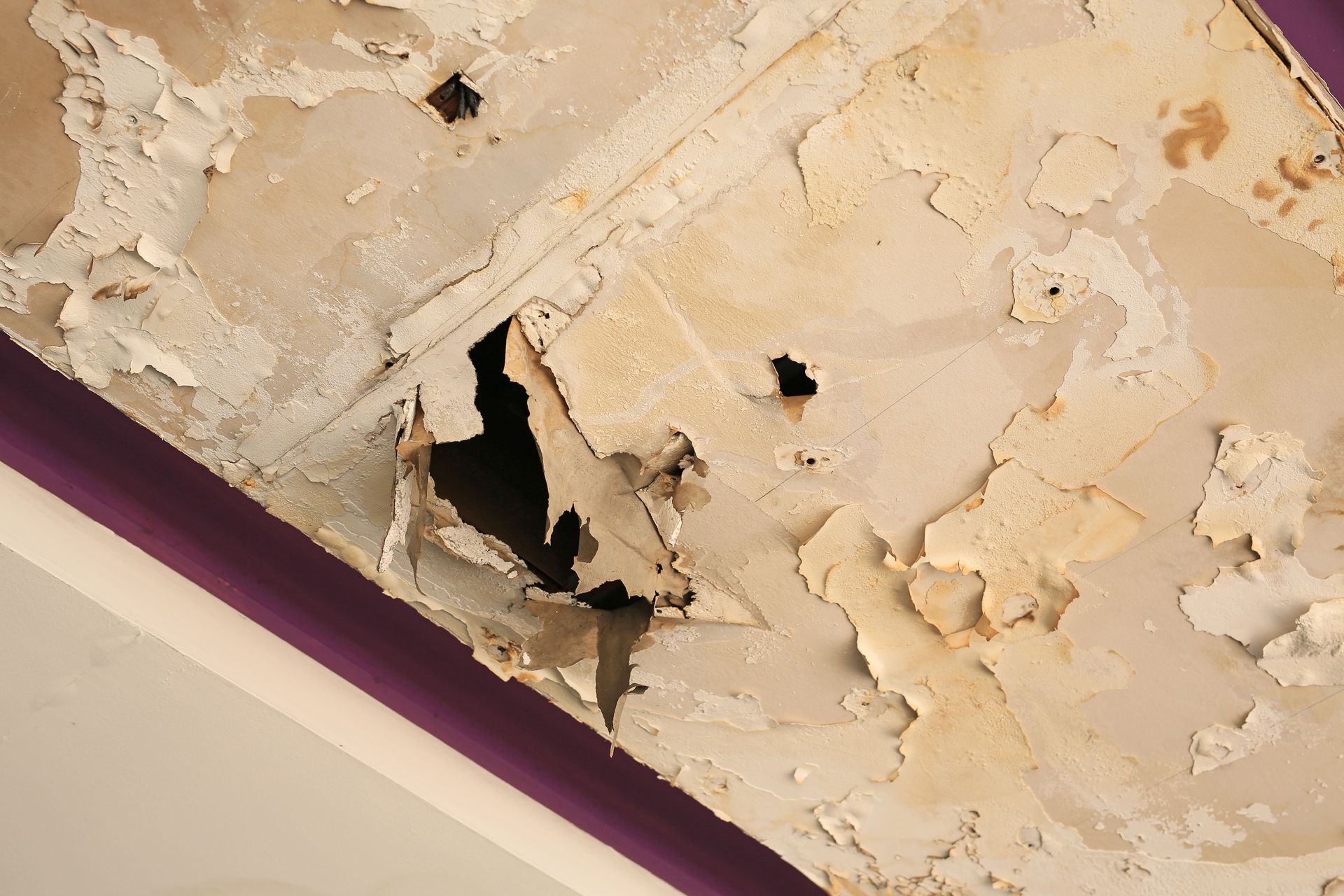
Roof leaks represent another potential source, particularly following heavy rain, snow or severe weather. Water can enter through damaged shingles, flashing or other vulnerable areas and eventually reach insulation, ceilings and wall cavities.
Not every water damage event is immediately obvious. A slow leak behind a wall or beneath a sink may continue for days or weeks before staining, odors or other warning signs appear. This is one reason prompt investigation is important when unexplained moisture or musty smells develop.
How Does Water Damage Affect Indoor Air Quality?
Excess moisture can influence indoor air quality by creating an environment where biological growth and other contaminants are more likely to develop. Porous materials such as drywall, carpeting, insulation and wood can absorb water and retain moisture long after the visible surface appears dry.
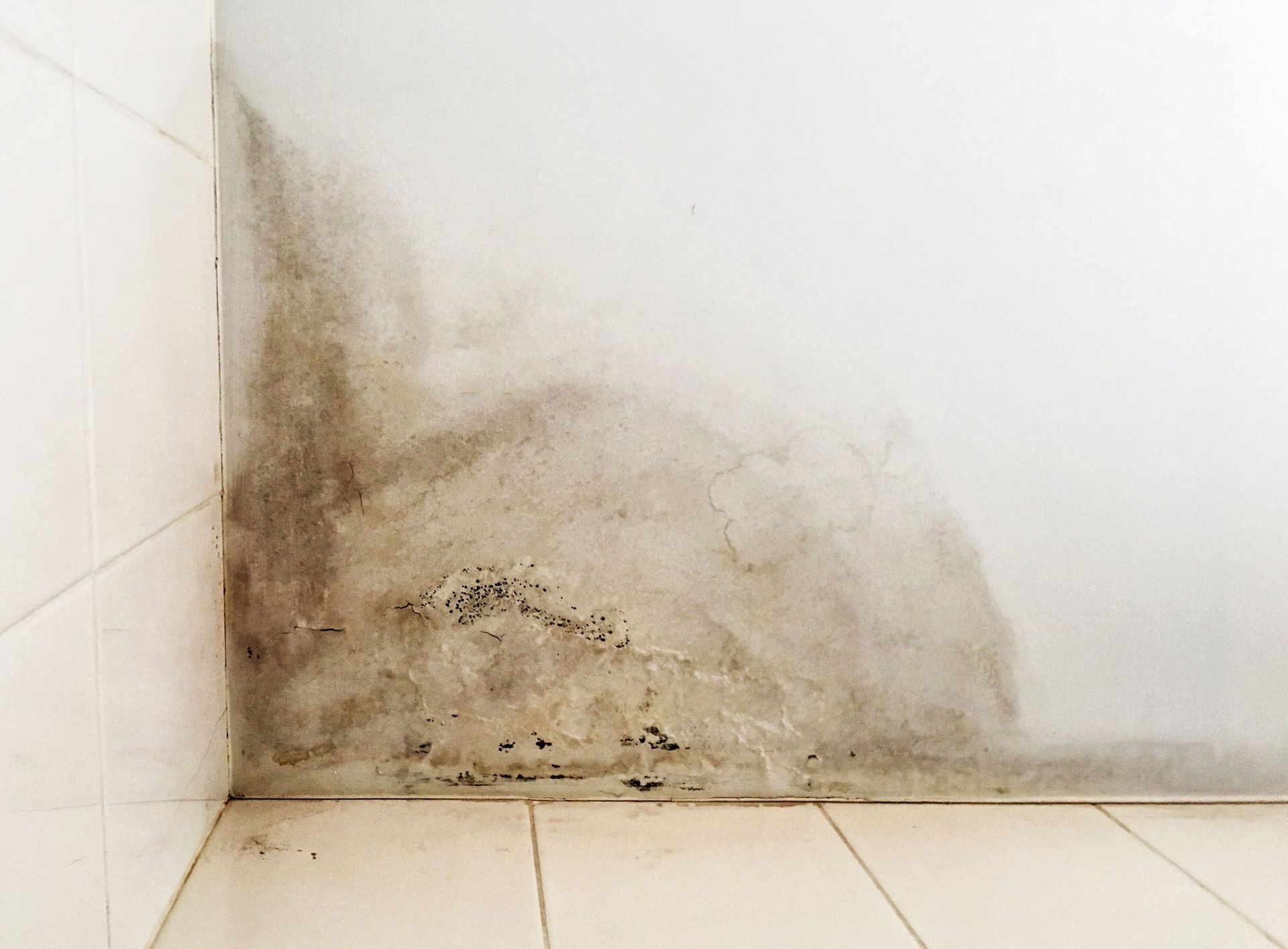
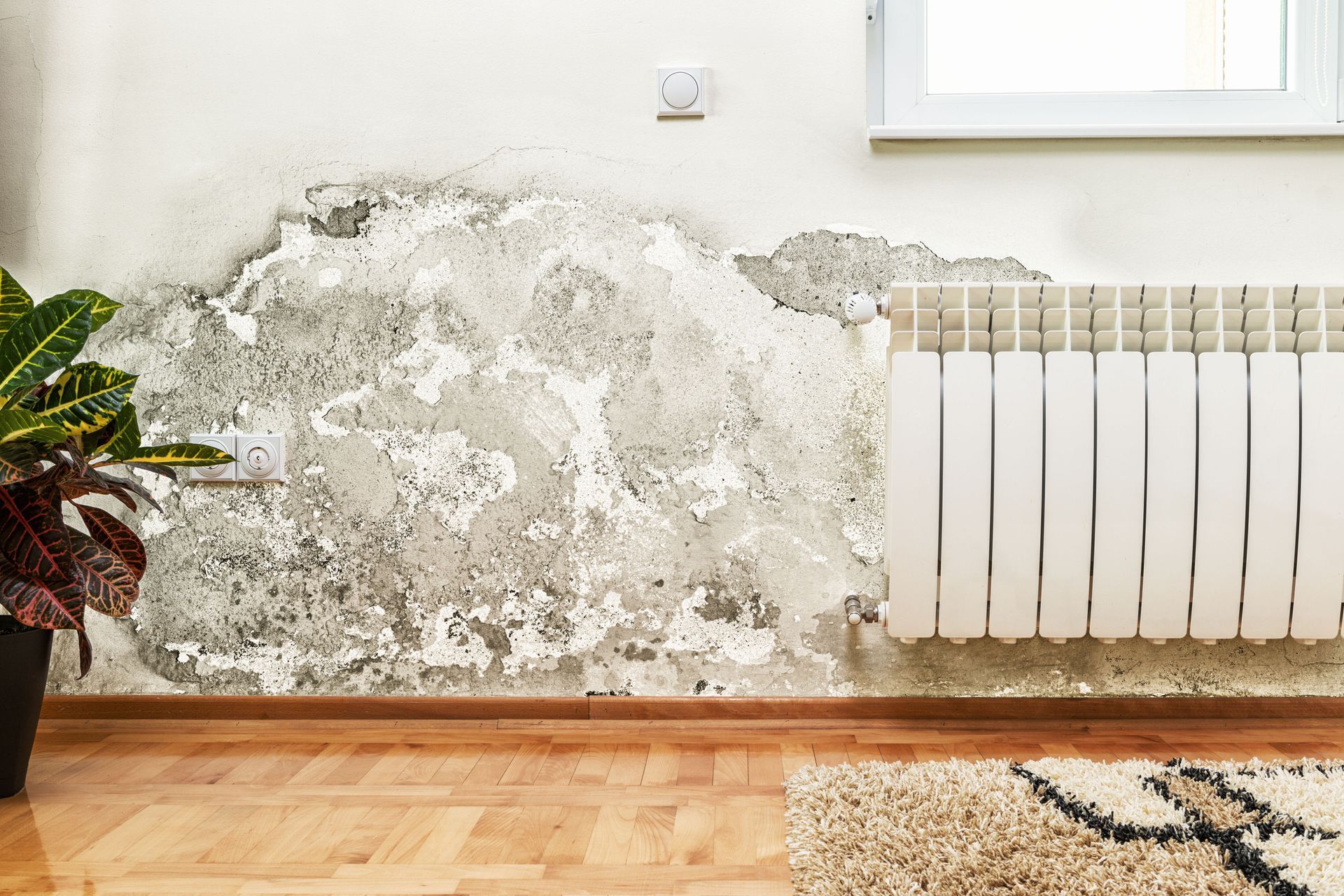
One of the primary concerns is mold. Mold spores are naturally present in indoor and outdoor environments, but elevated moisture can allow mold colonies to grow on suitable materials. Once growth occurs, spores and other particles can become airborne and circulate throughout a building.
Water damage can also contribute to persistent musty odors. These odors may indicate that moisture remains trapped somewhere in the structure rather than simply reflecting the original water event. In some situations, damp materials can deteriorate or become contaminated, further complicating cleanup.
The longer moisture remains, the more opportunity there is for these problems to develop. Local water damage services can help identify affected areas, remove standing water and use professional drying equipment to reduce residual moisture.
Can Mold Growth From Water Damage Impact Health?
Mold growth is one of the most important indoor air quality concerns associated with persistent water damage. Although exposure does not affect everyone in the same way, mold and damp indoor environments can contribute to respiratory irritation and allergic reactions in susceptible individuals.
People with allergies may experience symptoms such as sneezing, congestion, coughing or irritated eyes when exposed to mold. Damp environments can also aggravate asthma symptoms for some individuals. The specific effects depend on factors such as the type and extent of exposure and an individual's sensitivity.
It is important to distinguish between the presence of mold and a specific medical diagnosis. Not every person exposed to mold will develop symptoms, and many factors can influence indoor air quality and respiratory health.
From a property perspective, visible mold or a persistent musty odor should still be taken seriously. Attempting to cover up odors without addressing their moisture source does not resolve the underlying problem. Local water damage services can help locate moisture and determine which materials require drying, cleaning or removal.
Professional intervention can be especially useful when water has entered wall cavities, flooring systems or other difficult-to-access areas. Removing the source of moisture is essential to reducing the conditions that support continued mold growth.
What Role Do Local Water Damage Services Play in Mitigating Quality Issues?
The primary objective of local water damage services is to address moisture before it causes additional damage. A professional response can involve several stages, beginning with an assessment of the affected property.
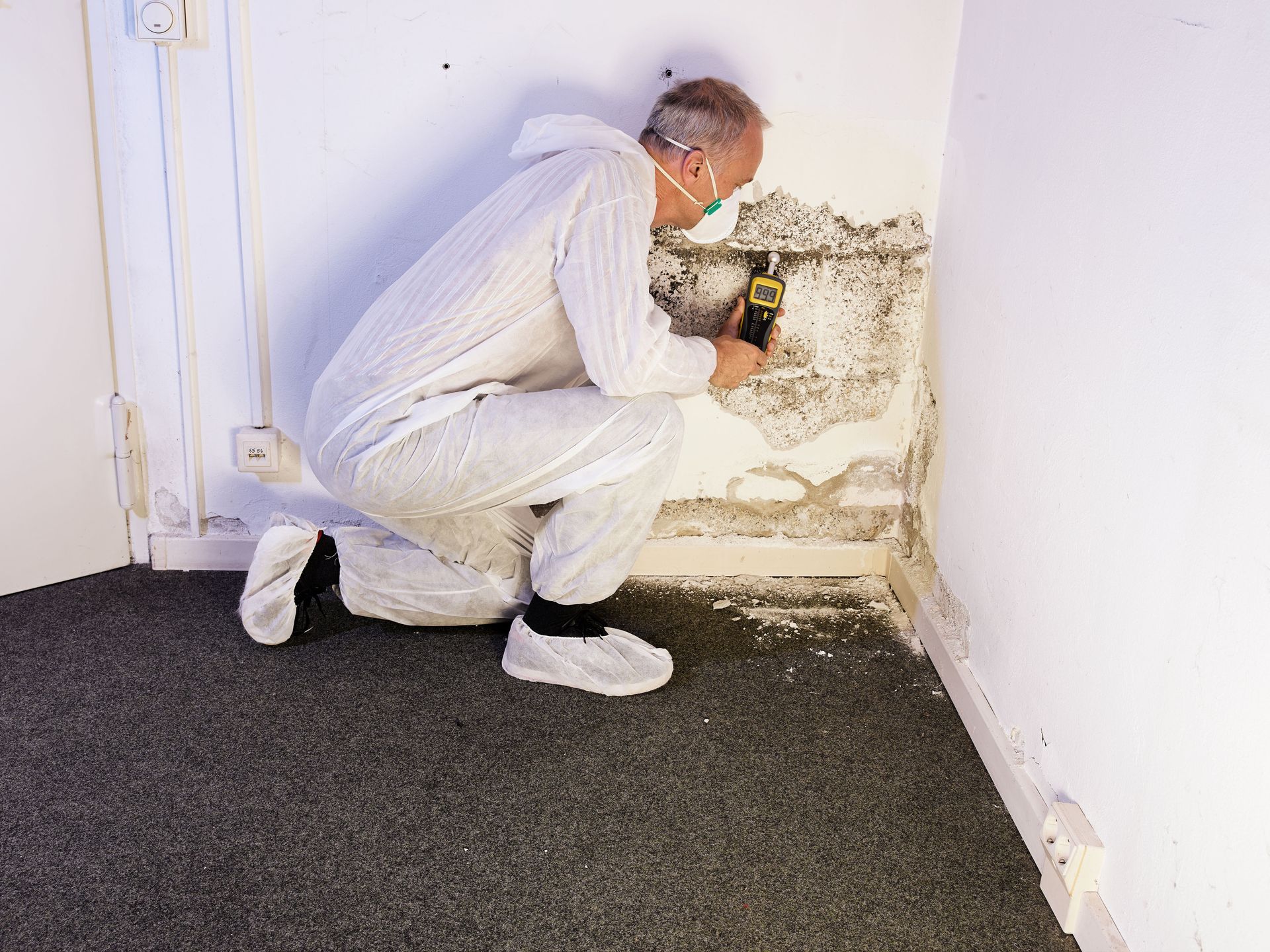
Technicians may inspect visible and concealed areas to determine where water has traveled. Moisture detection equipment can help identify damp materials that are not obviously wet, which can be particularly important after plumbing leaks or water intrusion beneath flooring.
Once affected areas have been identified, extraction and drying can begin. Depending on the situation, this may involve pumps, air movers, dehumidifiers and other specialized equipment. The goal is to remove excess water and reduce moisture levels in building materials and the surrounding air.
Local water damage services can also help determine which materials may be salvageable and which have sustained damage that makes removal necessary. Prompt action can potentially limit the spread of damage and reduce the likelihood that prolonged dampness will create additional indoor air quality concerns.
Working with a local provider can also make it easier to respond quickly after an incident. Because water damage can continue worsening while a property remains damp, reducing the time between discovery and professional assessment can be valuable.
How Can Homeowners Prevent and Address Water Damage?
Homeowners can take several practical steps to reduce the likelihood and severity of water damage. Regularly inspecting plumbing connections, appliance hoses and exposed pipes can help identify leaks before they become major problems. Replacing aging hoses and addressing small leaks promptly can also prevent avoidable moisture exposure.
Roof and gutter maintenance is similarly important. Keeping gutters clear allows rainwater to drain properly, while periodic roof inspections can identify damaged areas before they allow water into the home.
Homeowners should also pay attention to warning signs. Discoloration on ceilings or walls, peeling paint, warped flooring, unexplained odors and unusually damp areas can all warrant further investigation. A small visible stain may represent a larger moisture problem hidden behind a surface.
When water damage does occur, homeowners should address the source as quickly as possible and remove standing water when it is safe to do so. However, extensive damage may require specialized equipment and expertise.
Local water damage services can evaluate the affected area, establish a drying plan and help determine the appropriate next steps.
Homeowners should also avoid assuming that a space is completely dry simply because surfaces no longer feel wet. Moisture can remain inside walls, flooring, insulation and other materials. Professional moisture measurements can provide a more reliable indication of whether drying is complete.
Protecting Indoor Air Quality After Water Damage
Water damage and indoor air quality are closely connected because excess moisture can create conditions that allow mold and other problems to develop. From plumbing failures and appliance leaks to roof damage and hidden moisture, water can enter a home in numerous ways.
Taking action quickly is one of the most effective ways to limit the consequences. Routine maintenance can help prevent many incidents, while early attention to leaks and damp materials can reduce the opportunity for secondary problems.
When an incident exceeds what can reasonably be handled with household equipment, local water damage services can provide professional assessment, extraction and drying. By addressing both the visible damage and the underlying moisture, homeowners can take important steps toward protecting their property and maintaining a healthier indoor environment. If you're looking for experienced water damage remediation, reach out to Flostop Restoration today!