November 2, 2026
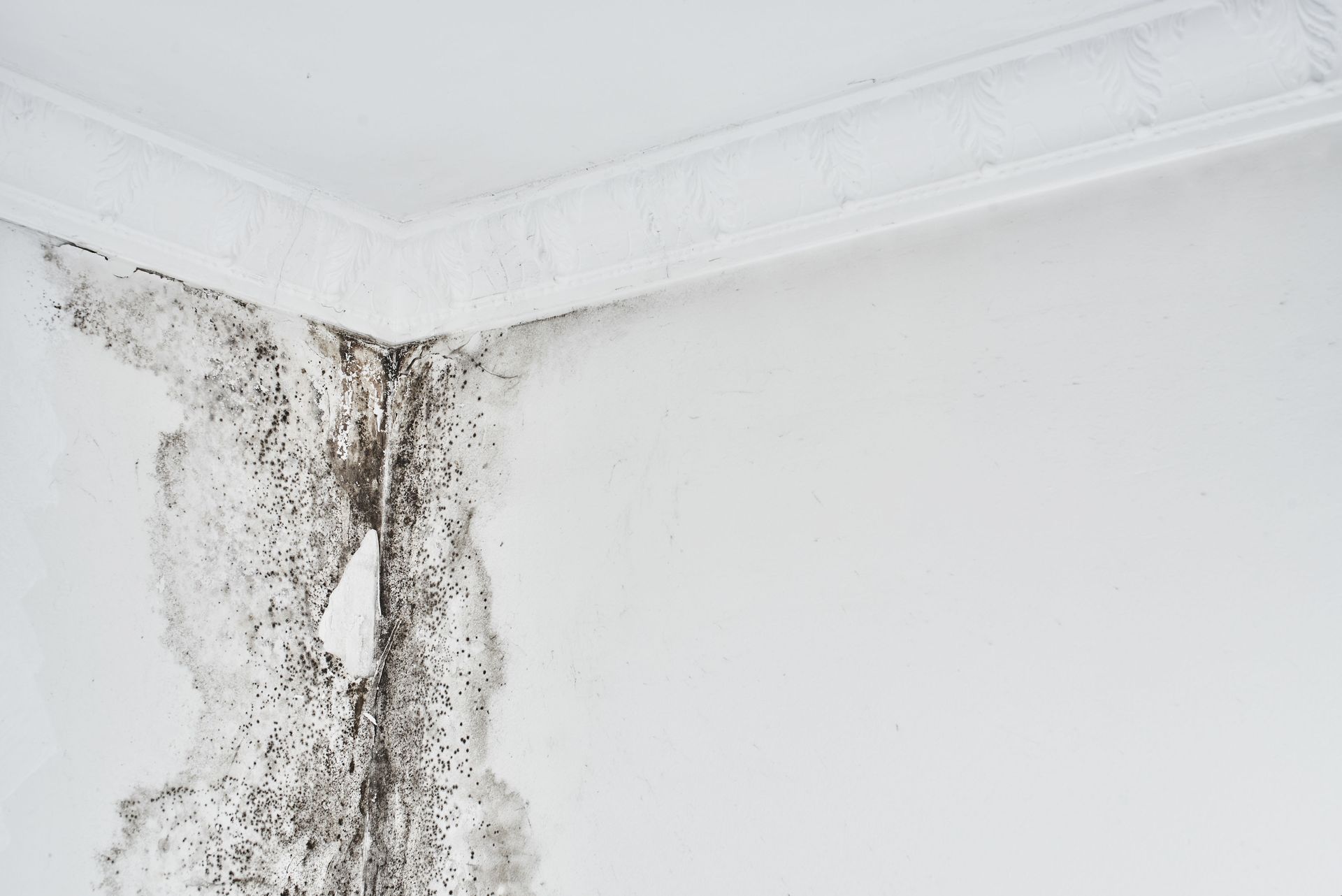
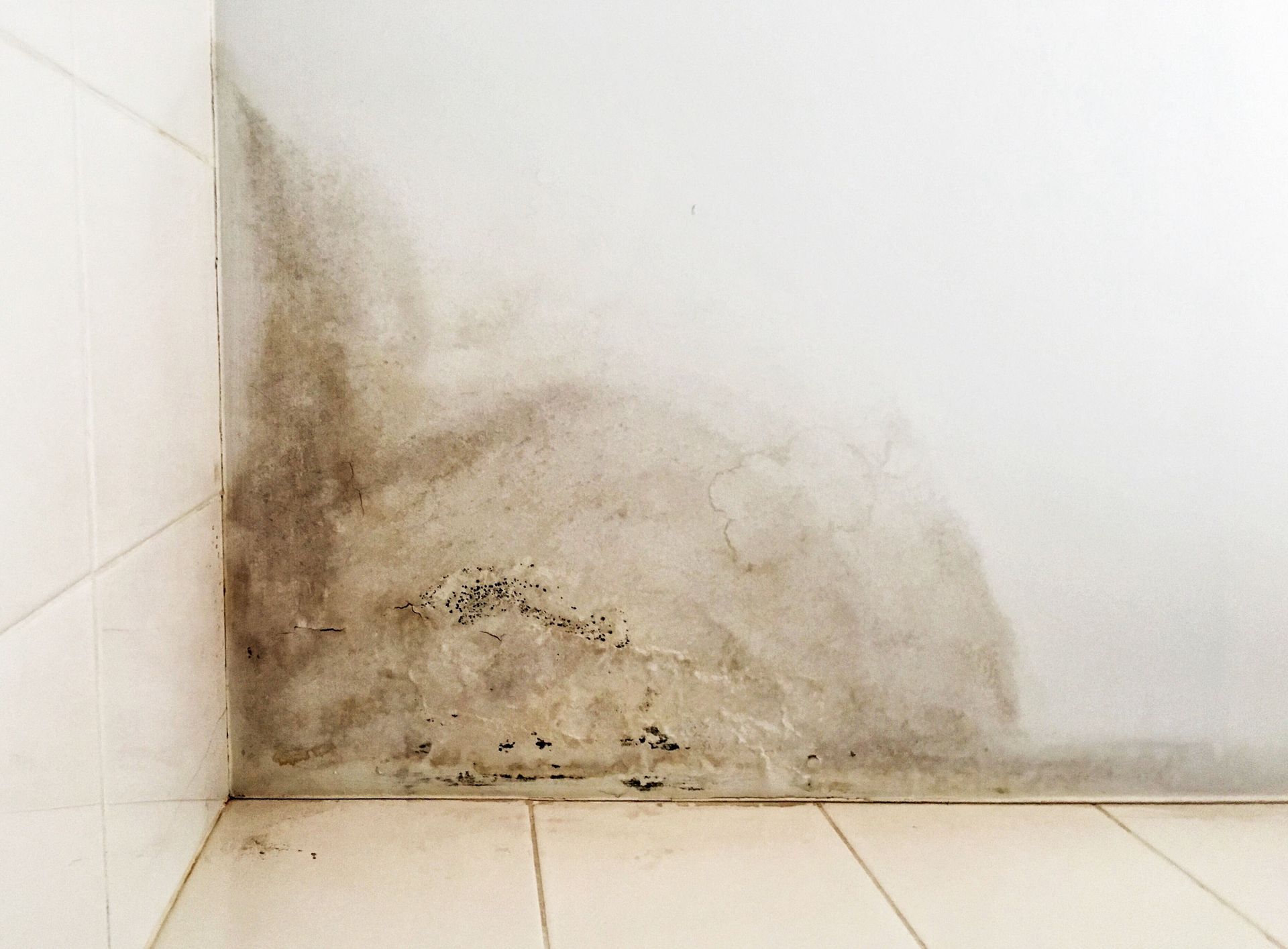
Discovering fungal growth inside your home can cause immediate concern for your family's health and the structural integrity of your living space. Microbial infestations often develop silently behind drywall, beneath flooring, and inside ventilation networks, flourishing wherever excess humidity and warmth linger. Addressing these hidden environmental hazards requires prompt attention, specialized equipment, and thorough industry expertise. When faced with suspected contamination, homeowners often feel overwhelmed by the task of selecting the right contractor to manage the cleanup. Undertaking professional mold removal ensures that microscopic spores and hazardous colonies are neutralized properly rather than simply dispersed into the surrounding air. Asking targeted questions before hiring a contractor allows you to evaluate technical expertise, verify safety standards, and establish clear expectations. Engaging in an informed conversation from the outset enables you to safeguard your property and secure lasting peace of mind throughout the restoration process. Taking these proactive steps ensures your living environment remains safe, healthy, and comfortable for everyone under your roof.
1. What Certifications Do You Hold?
Hiring an environmental contractor requires verifying that their team possesses formal training and recognized credentials in microbial remediation. Inquire whether their technicians hold industry credentials from reputable organizations such as the Institute of Inspection, Cleaning and Restoration Certification. Industry credentials demonstrate that the crew adheres to standardized remediation procedures, understands microbial behavior, and stays informed about modern safety practices. Unqualified handymen often treat surface discoloration with household bleach, which fails to penetrate porous building materials and leaves subterranean root systems intact. Dedicated mold removal specialists undergo comprehensive coursework to identify hidden moisture pockets, evaluate contamination severity, and execute remediation protocols without cross-contaminating unaffected living areas. Requesting documentation of active credentials ensures you partner with trained professionals capable of restoring your home safely and thoroughly. Qualified specialists will readily share their qualifications and outline the exact protocols they follow to remediate affected building materials.
2. What Containment Procedures Do You Use?
Disturbing active colonies without appropriate physical barriers releases vast numbers of microscopic spores into the surrounding atmosphere, quickly contaminating clean living spaces. Before selecting a contractor, ask detailed questions about the containment techniques they deploy during remediation. Reputable specialists establish negative air pressure zones using heavy-duty polyethylene sheeting, sealed doorways, and industrial air filtration equipment equipped with high-efficiency particulate air filters. This specialized engineering setup ensures that agitated airborne particles remain trapped within the remediation zone rather than drifting into bedrooms, living rooms, and communal hallways. Proper containment protocols prevent secondary infestations from developing in previously clean areas of your house. Clarifying containment strategies in advance ensures that the team respects your broader living environment and prioritizes indoor air cleanliness throughout every operational stage. A responsible team will also outline how they clean transition zones before removing temporary containment walls.
3. What Moisture Sources Do You Address?
Microbial growth is merely a symptom of an underlying moisture complication, such as a hidden pipe leak, roof failure, foundation seepage, or elevated indoor humidity. Simply cleaning visible fungi without resolving the moisture source guarantees that colonies will regenerate within a brief period. Inquire about the diagnostic instruments the contractor utilizes to uncover concealed dampness behind structural materials. Capable professionals utilize thermal imaging cameras, non-invasive moisture meters, and digital hygrometers to pinpoint the root source of water intrusion. A thorough mold removal strategy incorporates addressing these hidden moisture reservoirs so that building assemblies dry completely prior to structural repairs. Understanding how the team diagnoses moisture problems gives you confidence that the remediation provides an enduring resolution rather than a temporary superficial fix. Resolving the environmental conditions that allow colonies to thrive is the only way to safeguard your property against recurrent contamination.
4. What Project Timelines Do You Anticipate?
Understanding the anticipated duration of remediation allows your household to make appropriate logistical accommodations, especially if portions of the residence require temporary isolation. According to HomeGuide, small or medium mold removal projects typically require one to three days to finish, whereas extensive or severe contamination can require up to seven days. Asking the contractor for an individualized project timeline based on your specific property evaluation helps establish clear operational benchmarks. Reputable specialists explain each stage of their work schedule, detailing when containment goes up, when active extraction occurs, and when post-remediation clearance evaluations take place. Having a well-defined timetable prevents unexpected disruptions to your daily routine and ensures that every remediation milestone proceeds systematically toward completion. A reliable specialist will also discuss potential factors that might alter the schedule, such as structural drying requirements or extensive material replacement.
5. What Safety Equipment Do You Deploy?
Microbial remediation involves handling hazardous biological agents that can irritate respiratory systems, skin surfaces, and eyes if handled without proper protection. Ask the remediation team about the personal protective gear and safety equipment their technicians utilize during active cleanup operations. Experienced crews arrive equipped with full-face or half-face respirators featuring specialized particulate cartridges, disposable protective coveralls, impermeable gloves, and protective eyewear. Furthermore, ask about the sanitizing agents and antimicrobials they use to treat structural framing. Leading mold removal contractors utilize botanical disinfectants and environmentally sound solutions that neutralize biological contaminants without leaving harsh chemical residues behind. Ensuring the crew follows rigorous occupational safety standards protects both the technicians working on site and your family members residing in adjacent spaces. Professional safety standards also include careful disposal procedures for contaminated building materials taken from your property.
6. What Testing Methods Do You Conduct?
Verifying that fungal remediation has achieved genuine success requires objective assessment rather than subjective visual inspections. Ask the prospective contractor how they evaluate the effectiveness of their remediation efforts once physical cleaning concludes. Professional protocols often include comprehensive post-remediation verification, which involves visual inspections, moisture meter readings, and independent air quality testing. Many top-tier contractors recommend partnering with an independent environmental testing firm to avoid conflicts of interest when analyzing post-cleanup spore counts. Independent testing confirms that airborne spore concentrations inside treated areas have returned to normal, baseline environmental conditions. Choosing a contractor who embraces rigorous clearance testing ensures that your mold removal project achieves measurable, verifiable results that restore your home to an ecologically sound state. This documentation provides peace of mind that your indoor environment is clean and safe for continuous occupancy.
7. What Preventive Measures Do You Recommend?
A truly comprehensive remediation approach extends beyond cleanup to include proactive strategies that keep your residence permanently protected from future outbreaks. Inquire about the preventative advice and long-term moisture management recommendations the contractor provides following the completion of their work. Seasoned specialists evaluate overall residential ventilation, basement waterproofing, crawl space encapsulation, and attic airflow dynamics. They offer actionable guidance on maintaining balanced indoor humidity levels, installing dedicated dehumidification systems, and improving room-to-room circulation. A dependable mold removal provider views remediation as a long-term partnership in home health, empowering homeowners with practical maintenance insights that prevent moisture accumulation and safeguard building materials over the long haul. Implementing these protective measures ensures your investment in remediation delivers enduring value and ongoing environmental stability.
Selecting the right remediation contractor is a crucial decision that directly impacts the safety, structural longevity, and indoor air health of your residential property. By asking targeted questions about professional credentials, containment standards, diagnostic tools, and preventive strategies, you position yourself to make a wise, well-informed choice. If you are ready for a healthier living environment and cleaner indoor air, contact us at Flostop Restoration today. We will help you eliminate hazardous microbial growth and protect your home through comprehensive, professional remediation services.