August 25, 2026
Uncover the often-overlooked menace lurking under your floors: mold. Learn how to identify the subtle signs of this sneaky problem, which, if left unchecked, can lead to serious health and structural issues. In this article, we delve into the various indicators that suggest a mold problem beneath your flooring, offering insights and preventive measures to protect your home and well-being.
Understanding Mold and its Behavior
Mold is a type of fungus that thrives in moist environments, reproducing through lightweight spores that travel through the air. These organisms are a natural part of the environment, playing a crucial role in breaking down dead organic matter. However, when mold finds its way indoors, it can become a health hazard and cause significant property damage. Mold can grow on almost any surface, particularly in environments with high humidity. Recognizing its unique characteristics is essential in identifying and managing mold-related issues in homes.
Indoors, mold is not just an eyesore; it poses several health risks to inhabitants. Exposure to mold can lead to a range of symptoms, from mild irritation to severe allergic reactions, depending on individual sensitivities. Unfortunately, the presence of mold often goes unnoticed until it has caused significant damage, as it tends to flourish in unseen areas like under flooring. According to RubyHome, 47% of U.S. homes have visible mold or a mold odor, indicating a widespread issue that often goes unaddressed. Understanding what mold is and how it behaves is the first step in tackling this hidden threat.
Mold is adaptive and can settle in various places, including those less frequented by humans, such as basements and beneath floor coverings. It spreads through microscopic spores that can survive in extreme conditions. The ability of mold to grow under floors comes from its penchant for moisture-rich environments, making poorly ventilated and high-humidity areas particularly susceptible. This resilience makes it an elusive target for untrained eyes and underscores the importance of employing specialized techniques to counter its spread.
There are thousands of mold species, but only a few commonly invade homes. The most prevalent types indoors include Stachybotrys chartarum, Aspergillus, Penicillium, Cladosporium, and Alternaria. Stachybotrys chartarum, often referred to as black mold, is notorious for its potential to cause health problems. Aspergillus and Penicillium are more common and can often appear as blue or green mold on subfloors. These molds can be particularly invasive under flooring where moisture creates ideal conditions for growth.
Each mold type has its preferred environment and differs in appearance. Cladosporium thrives in both warm and cool conditions, allowing it to colonize a variety of household surfaces. Alternaria, known for its dark appearance, is common in damp places. Understanding these types helps homeowners identify potential infestations; however, professional identification by certified mold removal companies is often necessary to determine the specific species and appropriate removal strategy.
All these molds tend to thrive where water damage or high humidity is present, such as under floors or behind wallpaper. They create environments harmful to human health and detrimental to structural integrity. Regular inspections and prompt management of dampness help prevent these species from establishing colonies. Thus, knowledge and vigilance are key to maintaining a healthy, mold-free home.
Mold spreads under floors primarily due to the accumulation of moisture in less visible areas. Small, undetected leaks from plumbing fixtures, condensation, and poor ventilation are common culprits beneath floor coverings. Once mold spores settle on a damp surface, they begin to colonize rapidly. The enclosed nature of floors can trap moisture, creating an ideal breeding ground out of sight.
The spread of mold is exacerbated by materials used in flooring. Items like carpets, wooden subflooring, and tile adhesives absorb moisture, providing a nutrient-rich environment for mold. Once established, mold compromises the integrity of these materials, causing physical damage. If unchecked, mold can spread from the floor to other areas via airborne spores.
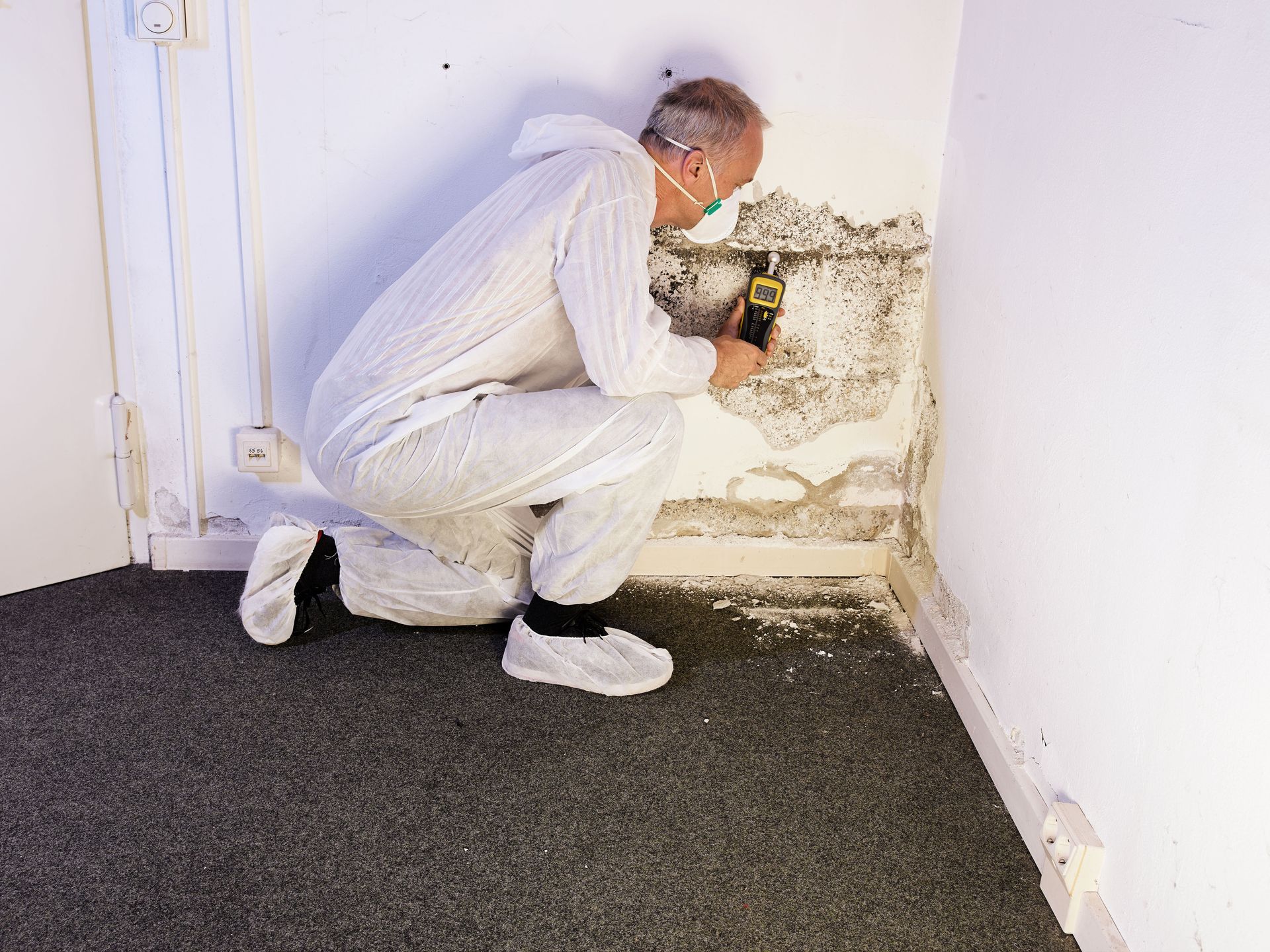
Addressing the spread involves preventive and remedial actions. Identifying leaks, ensuring adequate ventilation, and managing humidity limit mold's ability to colonize. Because mold spreads rapidly, regular inspections are vital. Engaging top mold removal companies for thorough assessments helps detect early signs of spread before serious structural damage occurs.
Visible Signs of Mold Under Your Floors
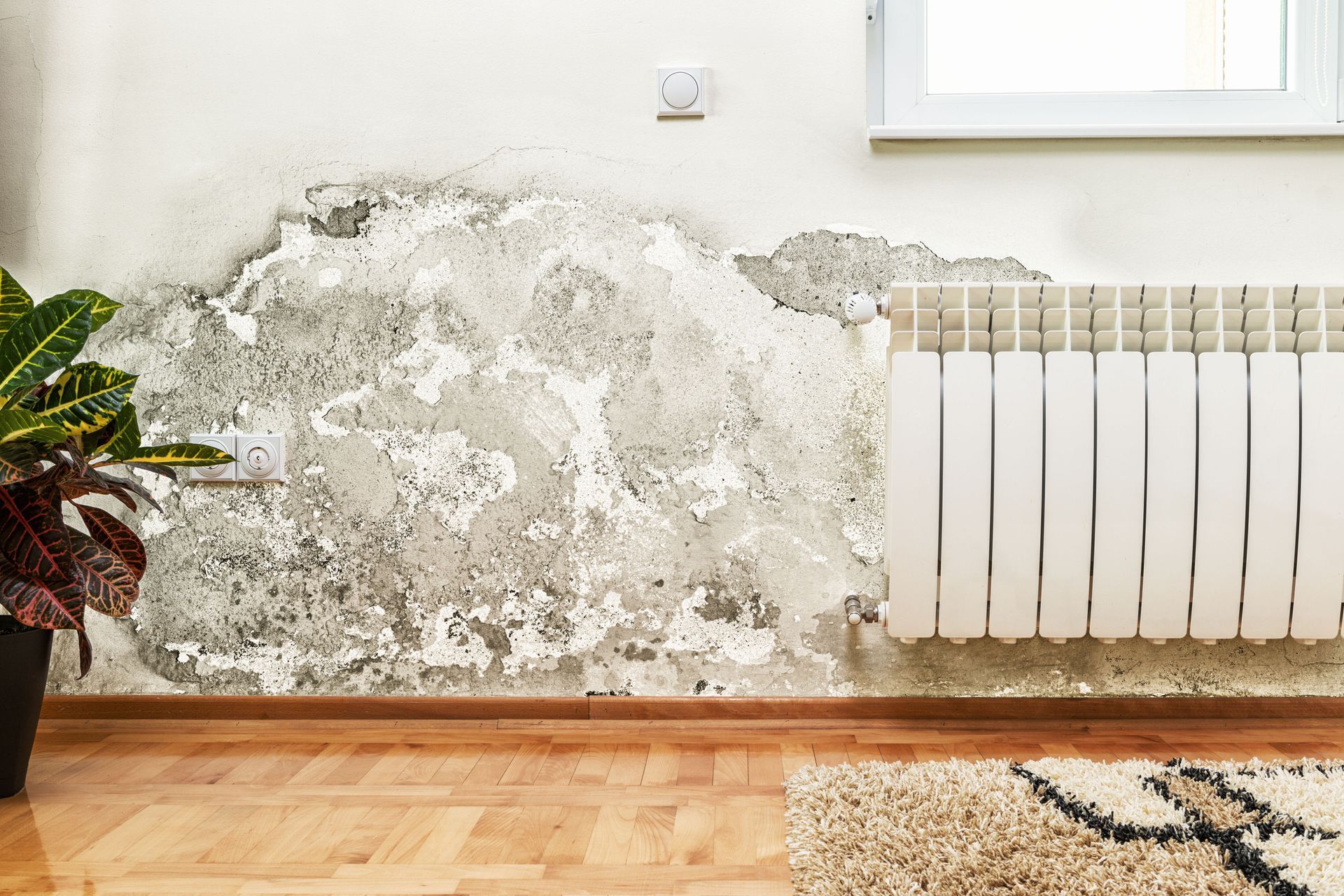
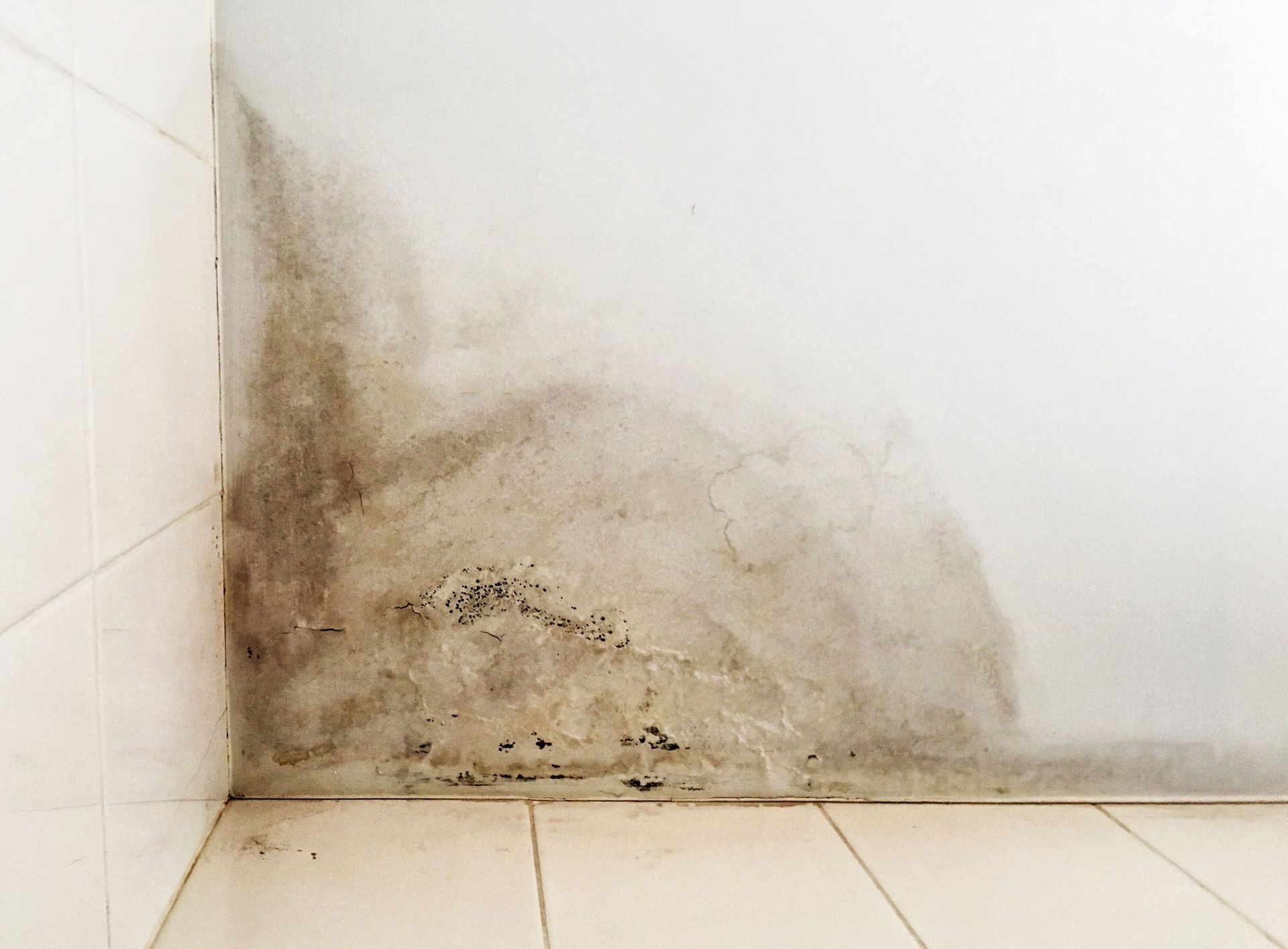
Visible discoloration and staining on flooring are among the first indications of mold growth underneath. These signs often appear as dark patches or streaks on tiles or carpets. The discoloration results from mold digesting the material, causing pigments to change. These stains might be subtle initially, but they gradually worsen over time as the colony expands.
Chemical reactions between mold and flooring can lead to permanent marks. Beyond aesthetics, staining indicates deeper mold problems impacting structural integrity. As mold grows beneath, floor material may weaken, resulting in spots that feel softer or spongy underfoot. Prompt intervention upon spotting such stains can prevent the need for complete floor replacement.
Homeowners should perform regular visual inspections, focusing on high-moisture zones like bathrooms and kitchens. Mold under flooring does not always manifest through surface discoloration, so feeling for uneven areas complements visual checks. When discovered, addressing the moisture source is crucial. Where staining persists, professional evaluation by established mold removal companies is advisable.
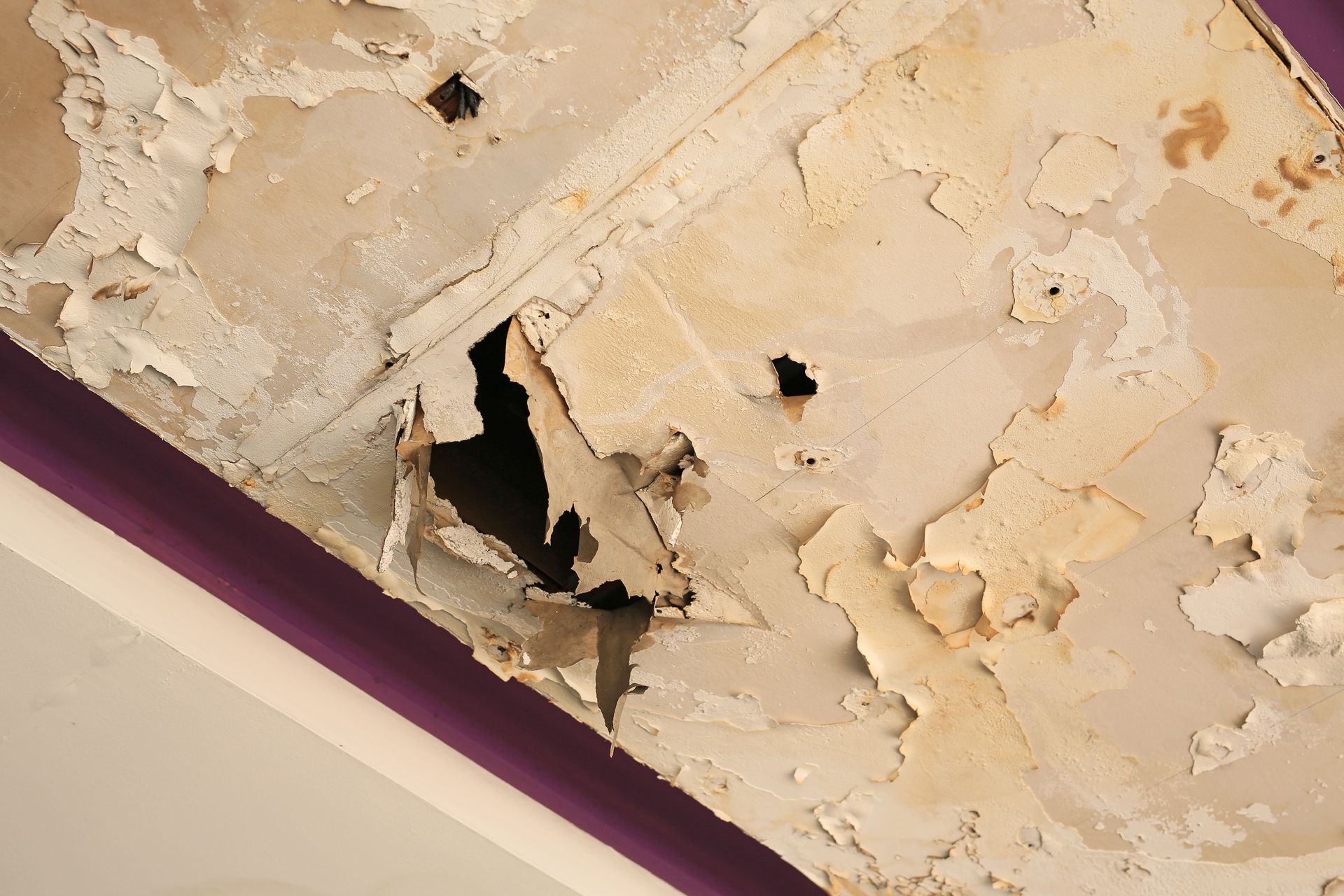
Mold growth under flooring frequently leads to physical changes like warping, cupping, or buckling. Excess moisture causes materials to expand and lose structural integrity. Hardwood and laminate are especially prone to such changes, creating uneven surfaces that impact both aesthetics and safety. Warped floors create trip hazards and open gaps where further debris and moisture can collect.
These physical alterations serve as clear visual alarms. Even if mold is not immediately visible, the deformation of floorboards points to deeper subfloor problems. Structural changes can lead to difficulty in opening doors that swing over affected areas. Recognizing these physical deformations early can lead to less extensive repairs.
Remediation is vital when warping occurs. Initially, removing excess moisture is important to prevent further degradation. However, for extensive issues, licensed mold removal companies may be necessary to check the subfloor, contain airborne spores, and replace damaged structural sections safely. Resolving associated water issues prevents future mold growth and restores stability.
Health Risks and Environmental Care
The health risks associated with mold exposure vary depending on individual sensitivity and the species present. Common health effects include respiratory problems, skin irritation, and eye discomfort. For those with allergies or asthma, exposure can exacerbate symptoms, causing severe episodes. Long-term exposure to certain molds may result in chronic respiratory distress.
Occupants living in mold-infested environments frequently report persistent headaches, prolonged fatigue, and unexplained skin rashes. The psychological impact should not be overlooked, as living with hidden contamination causes stress over health and property value. Resolving mold issues promptly restores both structural integrity and personal peace of mind.
Addressing health risks involves eliminating the mold source and managing exposure symptoms. Remediation efforts often necessitate reputable mold removal companies to handle the heavy lifting, ensuring spores are contained and eliminated safely without recontaminating the home.
Identifying the subtle signs of mold beneath your floors—from persistent dampness and warped boards to unexplained health symptoms—is crucial for maintaining a safe home environment. Left unaddressed, hidden mold compromises structural integrity and indoor air quality. If you suspect hidden mold growth under your flooring, do not wait for the damage to escalate. Contact Flostop Restoration LLC today for expert inspection, testing, and professional remediation services to protect your property and health.