July 31, 2026
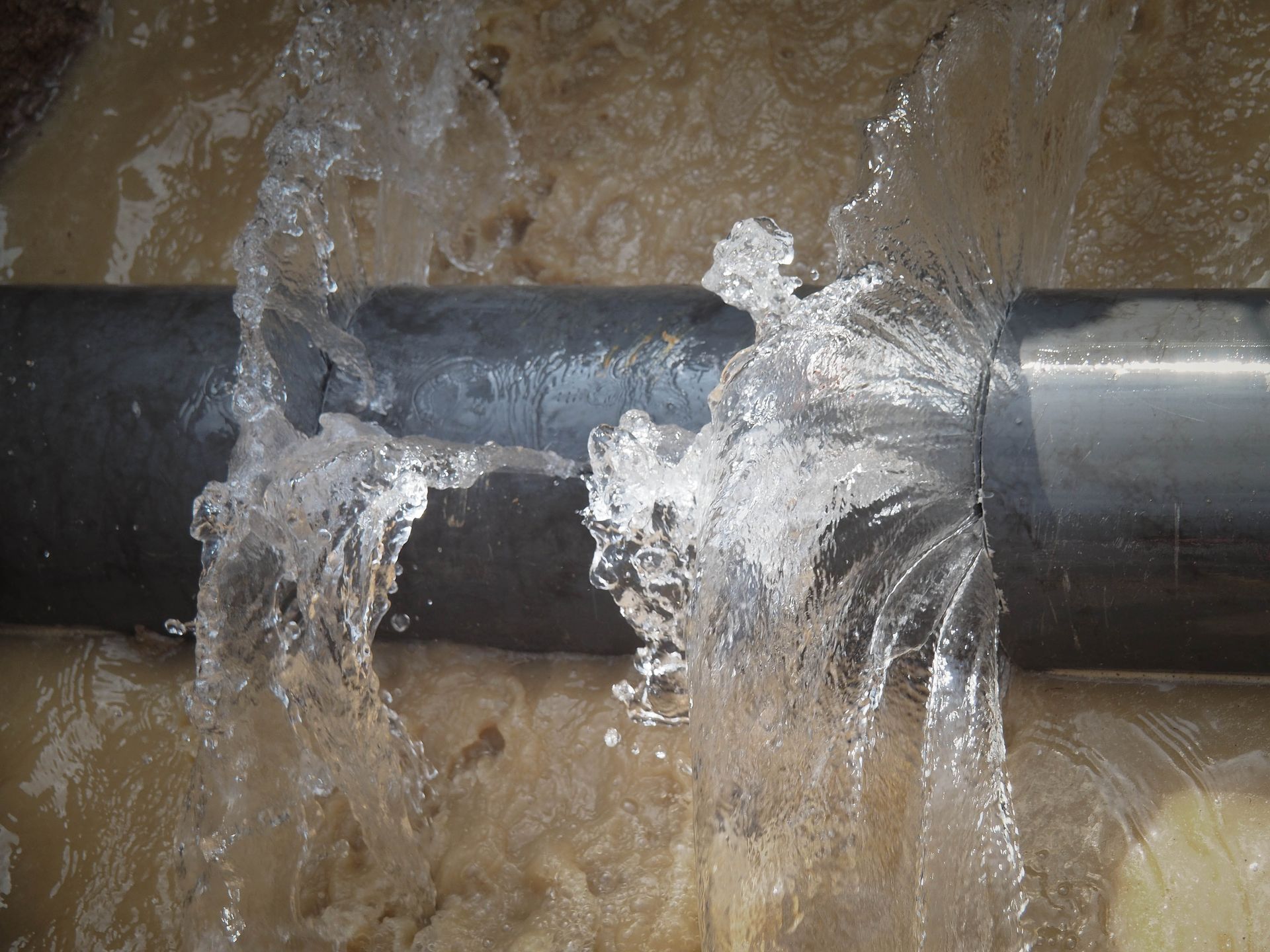
A burst pipe can release a surprising amount of water in a short period of time. What begins as a small leak can quickly spread across floors, walls, ceilings, and personal belongings. Many homeowners immediately reach for towels, buckets, fans, or household cleaning supplies to handle the situation themselves. While quick action is important, attempting a complete cleanup without professional equipment can make the problem worse. Water can travel into areas that are not visible from the surface and continue causing damage after the room appears dry. According to HouseCashin, the U.S. experiences approximately 14,000 home water damage incidents each day from causes that include burst pipes, appliance failures, and weather-related intrusions. Knowing the risks of DIY cleanup can help homeowners respond more effectively and avoid unnecessary complications.
Recognizing How Water Spreads Through a Home
Water does not always remain in the area where a pipe breaks. It can seep beneath flooring, move behind walls, and travel through insulation or ceiling materials. Porous materials can absorb moisture quickly, making it difficult to determine how far the water has spread. A homeowner may remove visible standing water while hidden moisture continues affecting the structure. This can create conditions that contribute to staining, deterioration, and unpleasant odors. Water may also move into rooms that appear completely unaffected at first. Professional water damage services use specialized equipment to identify moisture in areas that cannot be evaluated through a simple visual inspection. Finding the full extent of the problem is an important step toward preventing further damage.
Avoiding Delays During Emergency Cleanup
One of the biggest mistakes homeowners make after a burst pipe is waiting too long to begin proper mitigation. The longer materials remain wet, the more opportunity there is for damage to spread. Flooring, drywall, insulation, and wood can all respond differently to prolonged moisture exposure. Delays can also make it more difficult to save materials that might otherwise have been restored. Some homeowners may spend hours attempting to handle the cleanup with household equipment before realizing the problem is larger than expected. That lost time can increase the overall scope of the restoration process. Contacting water damage services promptly can help begin assessment and mitigation before additional areas are affected. Fast action does not mean rushing into unsafe cleanup methods, but it does mean getting the right help quickly.
Understanding Why Household Fans May Not Work
Fans can help circulate air, but they are not always enough to dry materials affected by a significant plumbing leak. Moving air across the surface of a wet floor does not necessarily remove moisture trapped underneath or inside the material. Without proper moisture readings, homeowners may not know whether an area is actually dry. Excessive airflow can also move contaminants or spread unpleasant odors through other areas of the home. In some situations, using fans before the affected area has been properly evaluated may complicate the cleanup process. Professional drying equipment is designed to support controlled moisture removal. Technicians can also monitor progress to determine when materials have reached appropriate dryness levels.
Preventing Hidden Moisture From Creating Problems
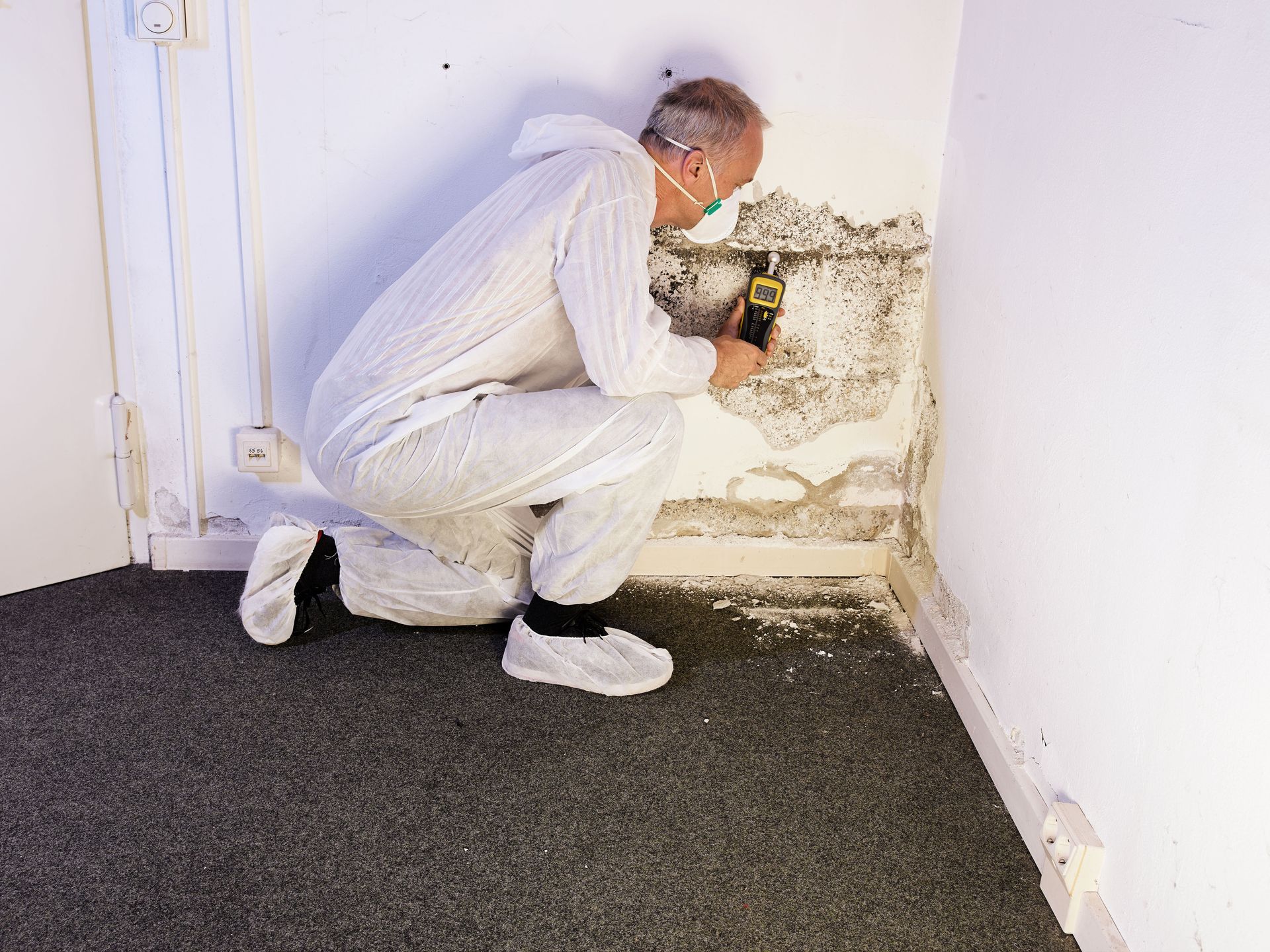
Hidden moisture is one of the primary reasons DIY cleanup can be incomplete. Water may become trapped behind baseboards, under flooring, inside cabinets, or within wall cavities. These areas can remain damp long after visible surfaces appear dry. Over time, trapped moisture can contribute to material deterioration and persistent odors. It may also create conditions that encourage unwanted biological growth. Simply wiping down surfaces does not address moisture that has moved beneath them. Professional water damage services can use moisture meters and other tools to locate affected areas that may not be visible. Identifying hidden moisture early can help property owners make better decisions about drying, repair, and restoration.
Handling Wet Building Materials Carefully
Different building materials respond to water exposure in different ways. Some materials may be dried and restored, while others may become structurally compromised or require removal. Wet drywall, insulation, flooring, and cabinetry should not automatically be treated the same way. Pulling out materials without understanding their condition can cause unnecessary damage. Leaving severely affected materials in place can also allow problems to continue developing. Professionals evaluate the type of material, the extent of exposure, and the length of time it has been wet. This assessment helps determine which items may be salvageable and which require replacement. Careful handling can reduce unnecessary costs while supporting a more thorough restoration process.
Avoiding Electrical and Structural Hazards
Water and electricity create serious safety concerns during a burst pipe emergency. Electrical outlets, appliances, wiring, and electrical panels may be affected by the water. Homeowners should avoid entering areas where electrical hazards may be present without knowing whether the power has been safely disconnected. Wet ceilings can also become unstable and may present a falling-material hazard. Flooring may become slippery or weakened after prolonged exposure. Attempting to move heavy furniture through wet areas can create additional risks. Professional water damage services can help assess the affected environment and identify hazards that homeowners may overlook. Safety should always come before efforts to save belongings or speed up the cleanup.
Preventing Improper Cleaning Techniques
Not every household cleaning product is appropriate for every water damage situation. Using harsh chemicals on certain materials may create additional staining, discoloration, or surface damage. Scrubbing too aggressively can also damage finishes that might otherwise be restored. In addition, cleaning visible surfaces does not necessarily address moisture below or behind them. Homeowners may also unknowingly spread contamination from one area to another by using the same tools across multiple rooms. Professional cleaning methods are selected based on the type of water involved and the materials affected. The correct approach can vary significantly depending on whether the water came from a clean supply line, a drain, or another source. Proper evaluation helps ensure that cleanup methods match the actual conditions.
Avoiding Mold and Odor Problems
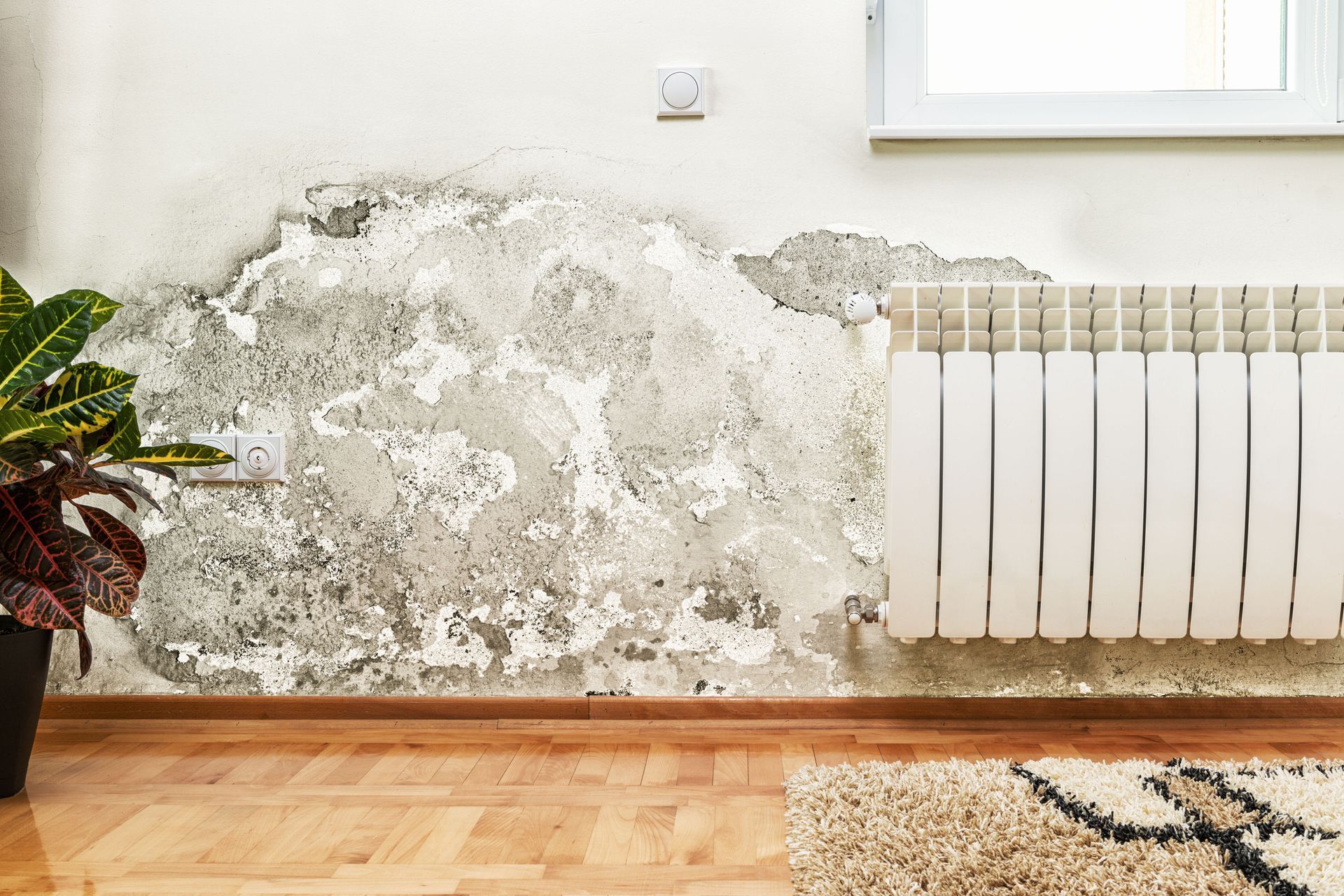
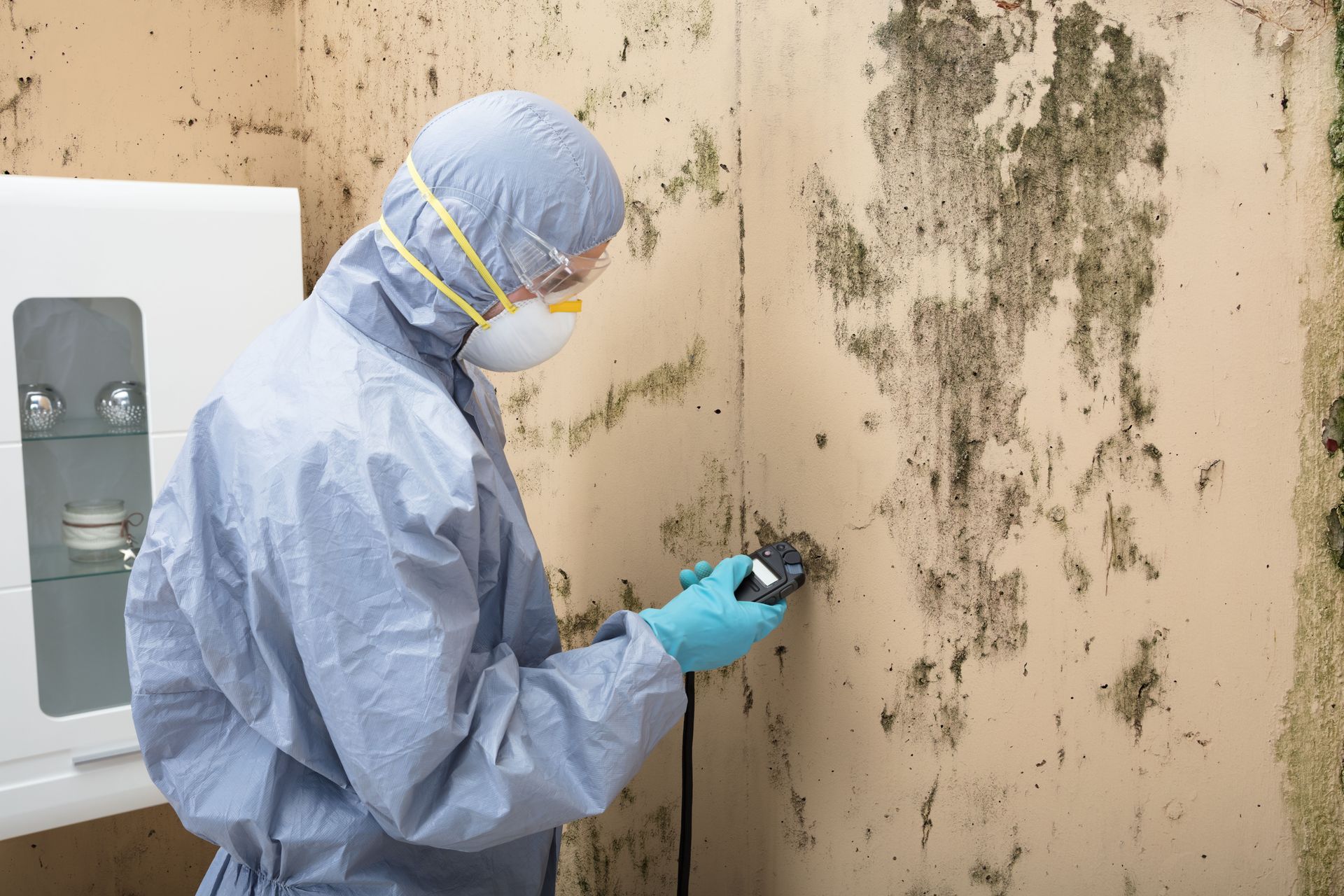
Moisture that remains in a home can eventually contribute to persistent odors and other indoor problems. These issues may develop even when the original leak has already been repaired. Hidden dampness beneath floors or inside walls can be particularly difficult to identify without specialized tools. Attempting to cover odors with air fresheners does not solve the underlying moisture problem. Similarly, painting over stains may only conceal visible evidence temporarily. Proper drying and moisture removal are necessary to address the source of the issue. Professional water damage services can help identify areas that require additional attention before restoration work is completed. Addressing moisture thoroughly can help protect the condition and comfort of the home.
Recognizing When DIY Cleanup Is Not Enough
Small, isolated spills may be manageable with ordinary household supplies. A burst pipe, however, can involve a much larger volume of water and affect multiple materials at once. Homeowners should consider the size of the affected area and whether water has entered hidden spaces. The presence of electrical hazards, contaminated water, structural concerns, or extensive saturation should also prompt professional assistance. Trying to manage a major loss alone can take significant time and may not produce complete results. A professional assessment can provide a clearer understanding of the work required. Water damage services can also help coordinate drying, cleaning, repairs, and restoration as needed. Knowing when to call for help can prevent a manageable problem from becoming more extensive.
A burst pipe can create more than a temporary mess, and incomplete cleanup may allow hidden moisture and damage to continue affecting your home. Flostop Restoration LLC provides professional water damage services to help homeowners respond to plumbing emergencies with thorough assessment, drying, cleanup, and restoration support. If your home has experienced a burst pipe or unexpected water intrusion, contact us today for prompt assistance and a clear path toward restoring your property.